
logo-img
Fluent in Spanish, Portuguese, French, English

Blastocyst Transfer vs. Day-3 Transfer: What the Research Shows
AdobeStock_296392470.jpg

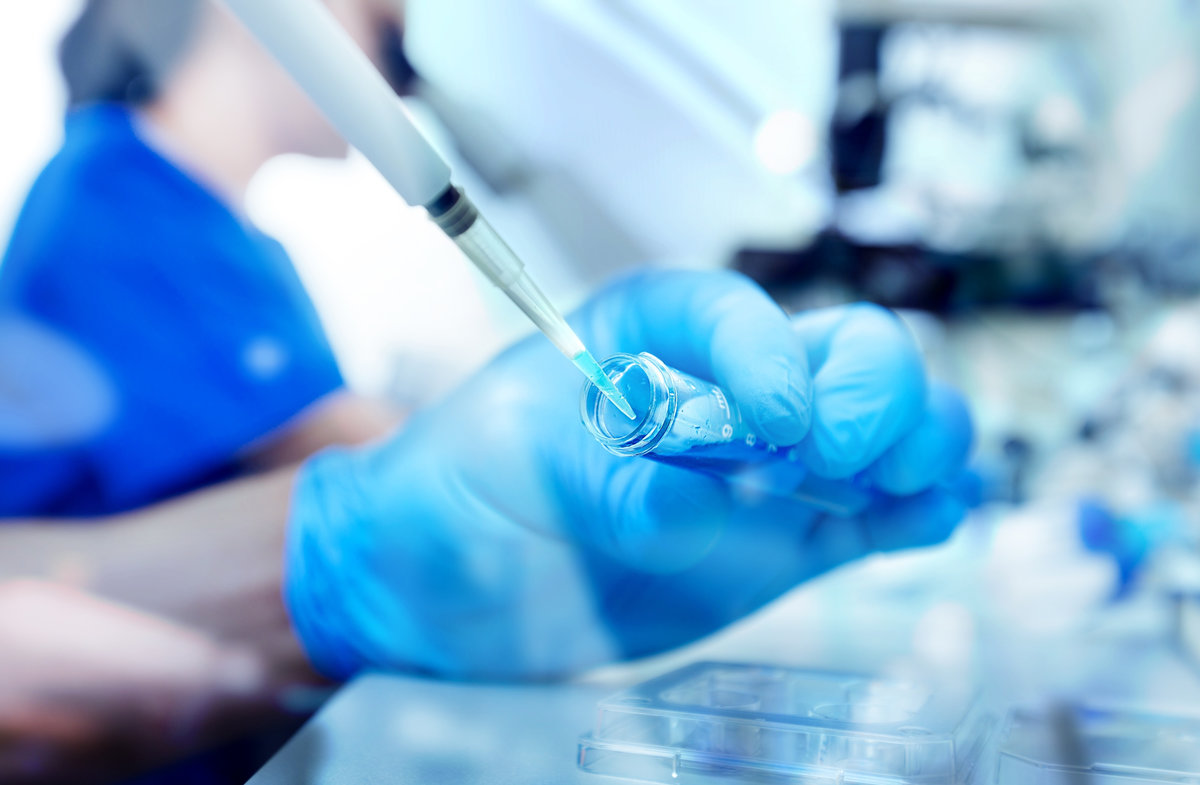
When you are preparing for an embryo transfer, one of the biggest questions your care team will ask is when the transfer should happen. Should the embryo go back on day 3, while it is still a small cluster of dividing cells? Or should you wait until day 5 or 6, when it has grown into a blastocyst with hundreds of cells organized into two distinct layers? The answer shapes your timeline and your odds of a successful pregnancy, and it is worth knowing before you sit down with your...


What It Means to Be Treated at a Female-Led Fertility Clinic

AdobeStock_230454605.jpg

  Fertility treatment touches something deeply personal, and it can feel overwhelming to hand that experience over to a stranger. Every appointment, blood draw, and hormone level can carry a mix of hope and worry, and the person guiding you through it shapes how safe and heard you feel along the way. For many patients, the identity of the physician leading their care makes a real difference in how comfortable they feel asking questions, sharing concerns, and trusting the plan in...

How Same-Sex Male Couples Can Build a Family Through Surrogacy and Egg Donation in Brazil

AdobeStock_796532712.jpg

For many same-sex male couples, the road to fatherhood does not look like the one most people grow up expecting, and that does not make the destination any less real or any less worth pursuing. Building a family through egg donation and surrogacy takes careful planning, a trusted medical team, and a clear understanding of the legal and logistical steps involved along the way. Questions about where to start, which country offers a supportive legal framework, and how the process actually unfolds...

What Brazil’s CFM Resolution Means for Egg Donors and Recipients

AdobeStock_285273067.jpg

Egg donation involves deeply personal decisions, and both donors and recipients want confidence the process follows clear, fair standards from start to finish. In Brazil, these standards come from the Federal Council of Medicine, known as the CFM, whose resolutions shape nearly every step of egg donation, from who can donate to how confidentiality is protected. At Chedid Grieco, our egg donation program follows these CFM guidelines closely, and we've seen firsthand how they shape a smoother,...

Can You Do IVM if You Have PCOS? What the Research Shows

AdobeStock_831619017.jpg

  Getting a diagnosis of polycystic ovary syndrome alongside a fertility diagnosis can feel like being handed two problems instead of just one. Many women in this position ask the same question early on: is in vitro maturation even an option, or does PCOS rule it out before treatment can start? The short answer from in vitro maturation research is that PCOS does not close the door on IVM. In fact, PCOS is one of the conditions this technique was designed to help. At Chedid...

What to Know About Egg Donation Eligibility Requirements in Brazil

AdobeStock_204058821.jpg

  Choosing egg donation raises an immediate question for many intended parents: who qualifies to donate, and who qualifies to receive? The answer provides timelines and peace of mind, and clinics that skip screening steps can leave both donors and recipients exposed to preventable risks. At Chedid Grieco, eligibility is treated as a safeguard, not a formality. With 30 years of experience and FDA and NYDH licensing in place, our team applies a consistent standard to every donor and...

How IVM Compares to Traditional Egg Freezing for Fertility Preservation

AdobeStock_150587649.jpg

  Choosing how to preserve fertility for the future often comes down to one question that gets surprisingly little attention: what actually happens to your body during the process? Most people researching egg freezing picture weeks of injections before they ever picture the retrieval itself, and that image alone stops many from even starting. At Chedid Grieco, we now offer in vitro maturation, or IVM, as an alternative path to fertility preservation alongside traditional...

What Happens to Your Eggs After Retrieval? A Lab-by-Lab Breakdown

AdobeStock_611061346.jpg

Every fertility patient asks some version of the same question the moment retrieval is over: what happens to my eggs now? The room empties, the sedation wears off, and the part of the process you can see is finished, while the part that actually determines your outcome is just beginning. At our human reproduction laboratory, every hour after retrieval is documented, monitored, and explained back to you in plain language. Chedid Grieco has spent 30 years refining this process, and this...

Can You Work During Fertility Treatment Abroad? Remote Work Tips for IVF Patients

remote-work-fertility-treatment-abroad-1.jpg

Packing your laptop alongside your medical records might not be the first thing that comes to mind when planning IVF abroad, but for many patients, continuing to work during treatment is less a luxury and more a necessity. The good news is that with the right setup, balancing a remote work schedule with fertility treatment in another country is entirely manageable, and many patients do it successfully every year. At Chedid Grieco, we designed our cross-border model with working patients in...

What Happens to Your Frozen Eggs If You Change Your Mind About International Treatment?

frozen-eggs-transfer-international-treatment-2.jpg

Medically Reviewed by Dr. Silvana Chedid on September 3, 2026 You froze your eggs, made a plan, and then life shifted. Maybe you moved, changed clinics, or started reconsidering whether international treatment is the right path for you. The good news is that changing your mind does not mean losing what you worked so hard to preserve. Frozen eggs offer a level of flexibility that few people fully appreciate, and knowing your options can give you a clearer picture before making any...

© 2025 All rights reserved - Chedid Grieco.

For First Time
Patients

Book your FREE 20 minute
appointment today!