

How IVM Compares to Traditional Egg Freezing for Fertility Preservation
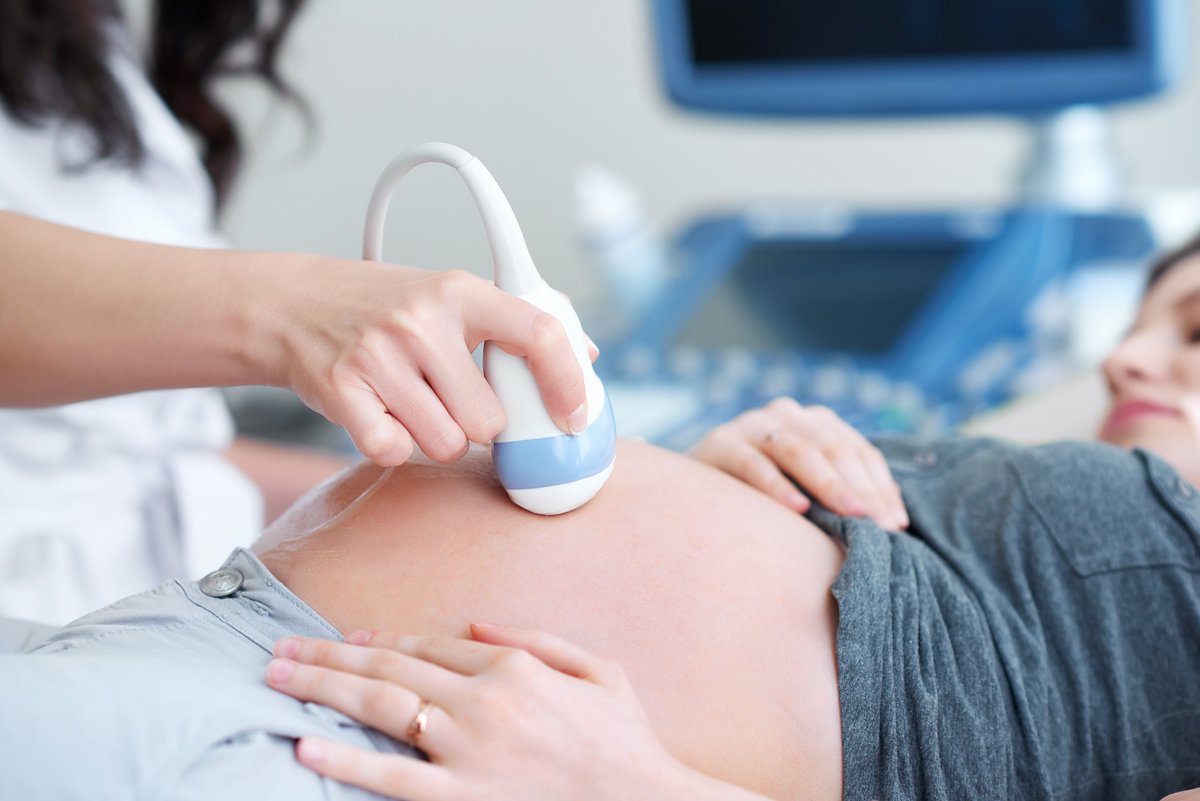
Choosing how to preserve fertility for the future often comes down to one question that gets surprisingly little attention: what actually happens to your body during the process? Most people researching egg freezing picture weeks of injections before they ever picture the retrieval itself, and that image alone stops many from even starting.
At Chedid Grieco, we now offer in vitro maturation, or IVM, as an alternative path to fertility preservation alongside traditional stimulated egg freezing. Both approaches can bank eggs for future use, but they differ in how those eggs are collected and matured, which changes what the weeks leading up to retrieval look like for you.
What Sets IVM Apart for Preservation?
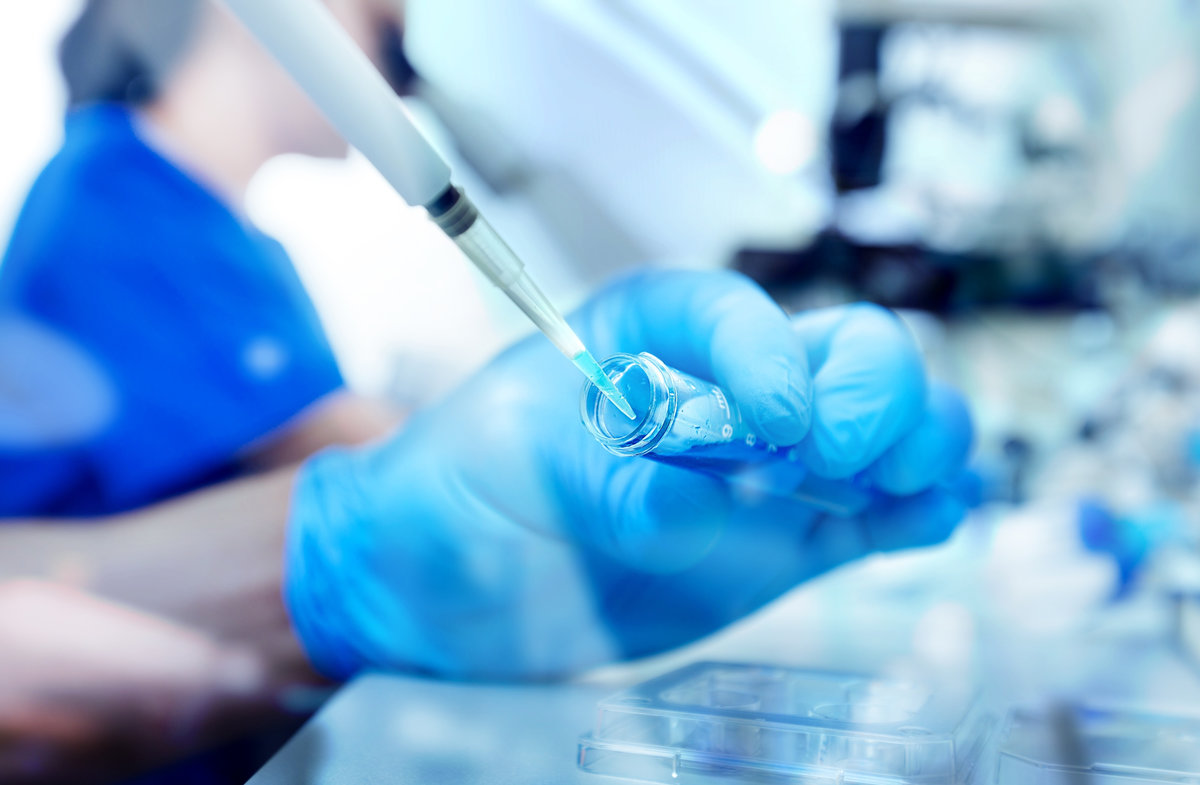
Traditional egg freezing relies on 10 to 12 days of hormone injections to stimulate the ovaries into producing multiple mature eggs at once. IVM changes that timeline, where immature eggs are retrieved directly from the ovaries with little or no stimulation, then matured in a lab setting before they are frozen for future use.
For someone weighing preservation options, that difference shows up well before the retrieval date. Traditional cycles require daily monitoring appointments and careful medication scheduling around a job or travel plans. IVM removes most of that lead time, which can matter for anyone preserving fertility on a tighter timeline, such as before starting cancer treatment.
Egg Yield and Maturation Considerations
The tradeoff here is yield. Stimulated cycles are designed to produce a higher number of mature eggs per retrieval, since the hormone protocol pushes multiple follicles to develop at once. IVM typically retrieves more immature eggs, but not all of them will mature successfully once cultured in the lab.
Research on age-dependent IVM outcomes has found that maturation rates vary significantly by age group, with maturation efficacy highest in younger patients and declining after the mid-twenties. That makes age one of the more important factors in deciding which path fits a given preservation plan, alongside how soon eggs may need to be banked.
Who Tends to Be a Better Fit for Each Option?
Neither approach is universally better for preservation. The right fit depends on timeline, medical history, and how a person’s body responds to hormone stimulation.
When IVM May Fit Well
IVM tends to suit patients who need to preserve fertility quickly, such as before chemotherapy, or who have conditions like polycystic ovary syndrome that make hormone stimulation riskier. It can also appeal to anyone who would rather avoid the physical and scheduling burden of a multi-week injection protocol.
When Traditional Freezing May Fit Well
Traditional stimulated cycles often make sense for patients with more flexible timelines who want to maximize the number of mature eggs banked in a single cycle, particularly those in their twenties or early thirties who tend to see stronger maturation outcomes either way.
A few factors we walk through with patients considering either path include the following:
- Timeline: How soon eggs need to be retrieved and banked.
- Medical history: Conditions that affect how the body responds to stimulation.
- Age: A factor in maturation rates for IVM specifically.
- Comfort with injections: A personal and practical consideration for many patients.
Working through these factors with a doctor before choosing a path can help set realistic expectations for how many eggs are likely to be banked and what the weeks before retrieval will actually involve.
Start the Conversation with Chedid Grieco
Chedid Grieco has spent 30 years building a practice around personalized reproductive care, and IVM is the newest addition to how we help patients preserve fertility on their own terms. Consultations take place in Miami, while treatments are carried out at our Brazil location, supported by our fertility tourism resources. Our clinic holds FDA and NYDH licensing, follows Brazil’s regulatory standards for reproductive medicine, and has helped bring more than 8,780 babies into the world through 1,200 cycles performed each year.
If you are weighing IVM against traditional egg freezing for your own preservation plan, our team can walk through your options, from in vitro fertilization to advanced genetic testing for those who plan to use frozen eggs later on. Reach out through our contact form to start a conversation about which preservation path best fits your timeline.
Recent Posts