

Can You Combine IVM with ICSI for Male Factor Infertility?
Medically Reviewed by Dr. Silvana Chedid on July 31, 2026
Yes, in vitro maturation can be combined with intracytoplasmic sperm injection, and for couples facing both male factor infertility and concerns about ovarian stimulation, this pairing offers a gentler path to treatment. Male factor infertility affects roughly half of all couples struggling to conceive, and for many, intracytoplasmic sperm injection offers a reliable solution, but ICSI has traditionally been paired with a full IVF stimulation protocol that requires 10 to 12 days of daily hormone injections.
At Chedid Grieco, this combination represents a significant advancement for couples dealing with male infertility, eliminating the need for extended ovarian stimulation while still addressing sperm quality concerns. For couples who have postponed treatment due to the medication burden or cost, this pairing provides a pathway forward without compromising the fertilization step that ICSI is designed to solve.
Understanding IVM and ICSI as Complementary Techniques
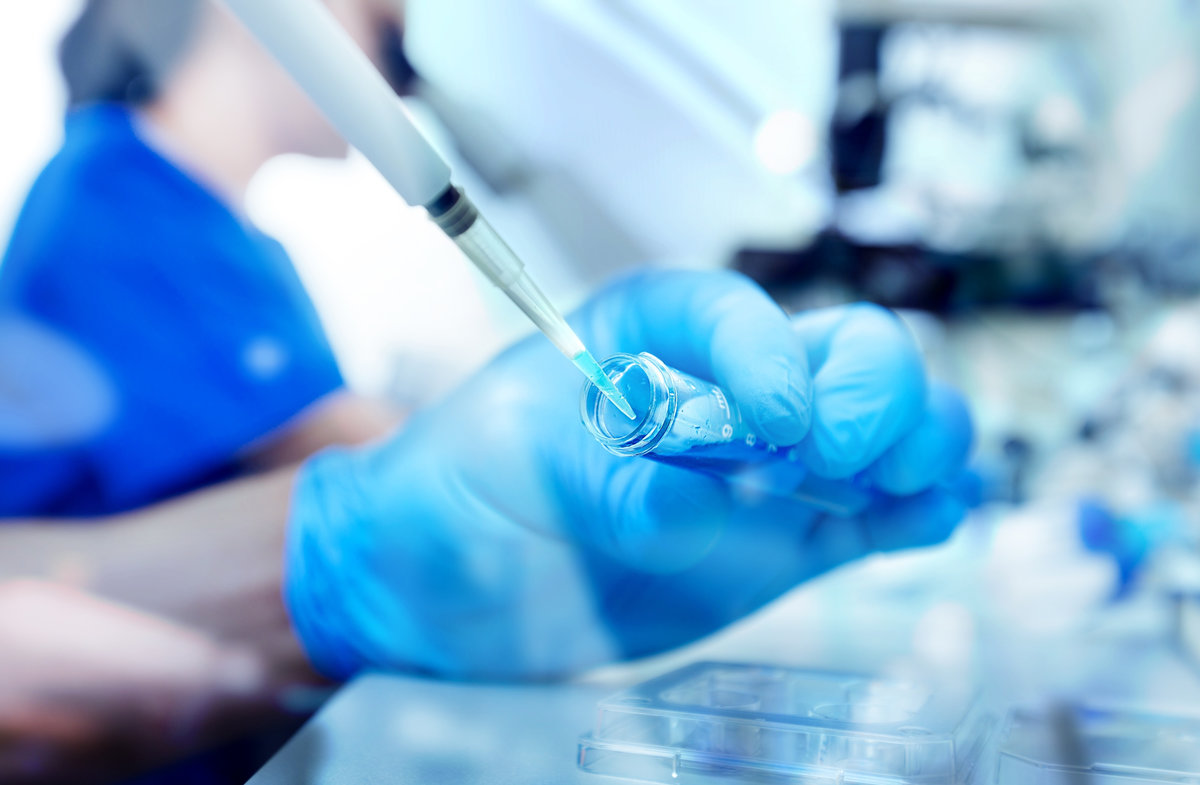
In vitro maturation retrieves immature eggs from the ovaries without hormonal stimulation and matures them in a laboratory setting over 24 to 48 hours. This contrasts with conventional traditional IVF stimulation, which requires daily hormone injections to stimulate egg development before retrieval. The eggs mature naturally in the lab, eliminating medication side effects and reducing treatment costs.
Intracytoplasmic sperm injection addresses fertilization challenges by injecting a single sperm directly into each mature egg. This technique bypasses natural fertilization barriers and proves particularly effective when sperm count is low, motility is compromised, or morphology is abnormal. ICSI also works well in cases where previous IVF cycles showed poor fertilization rates.
When combined, these techniques address two distinct fertility challenges simultaneously. IVM provides mature eggs without stimulation protocols, while ICSI ensures fertilization proceeds despite sperm-related challenges. This pairing creates a streamlined fertility treatment option that reduces physical strain and medication exposure.
When Combining IVM and ICSI Makes Sense
Several specific situations make this combined approach particularly beneficial for couples facing both ovarian stimulation concerns and male factor infertility challenges.
Couples With Dual Fertility Factors
Men with low sperm count, poor motility, or abnormal morphology benefit from ICSI’s direct injection method, and our overview of ICSI’s benefits for male infertility covers this in more depth. When their partners also have concerns about ovarian stimulation, IVM becomes a practical alternative. This combination works particularly well for couples who have experienced medication side effects in previous cycles or those working within a limited fertility treatment budget.
Polycystic Ovary Syndrome Patients
Women with PCOS face heightened risks during traditional IVF stimulation, including ovarian hyperstimulation syndrome (OHSS). Research on minimizing OHSS in women with PCOS, published through the National Institutes of Health’s National Library of Medicine, describes how this population carries a substantially elevated risk of the syndrome during conventional ovarian stimulation compared with women without PCOS. IVM reduces this risk by removing hormonal stimulation from the equation, while ICSI ensures fertilization proceeds normally despite any male factor involvement.
Previous Poor Responders to Stimulation
Some women produce few eggs even with maximum hormone dosages, making traditional IVF frustrating and expensive. These poor responders may achieve comparable results with IVM while avoiding the disappointment of minimal egg retrieval after extensive stimulation. When paired with ICSI for male factor concerns, this approach provides results without repeated protocol adjustments and medication failures.
The IVM-ICSI Treatment Process
The combined procedure begins with minimal or no hormone stimulation, followed by egg retrieval when follicles measure 8 to 12 millimeters. Retrieved immature eggs then transfer to a specially formulated culture medium containing growth factors and hormones that support natural maturation. Laboratory specialists monitor development closely, assessing maturity at 24-hour intervals.
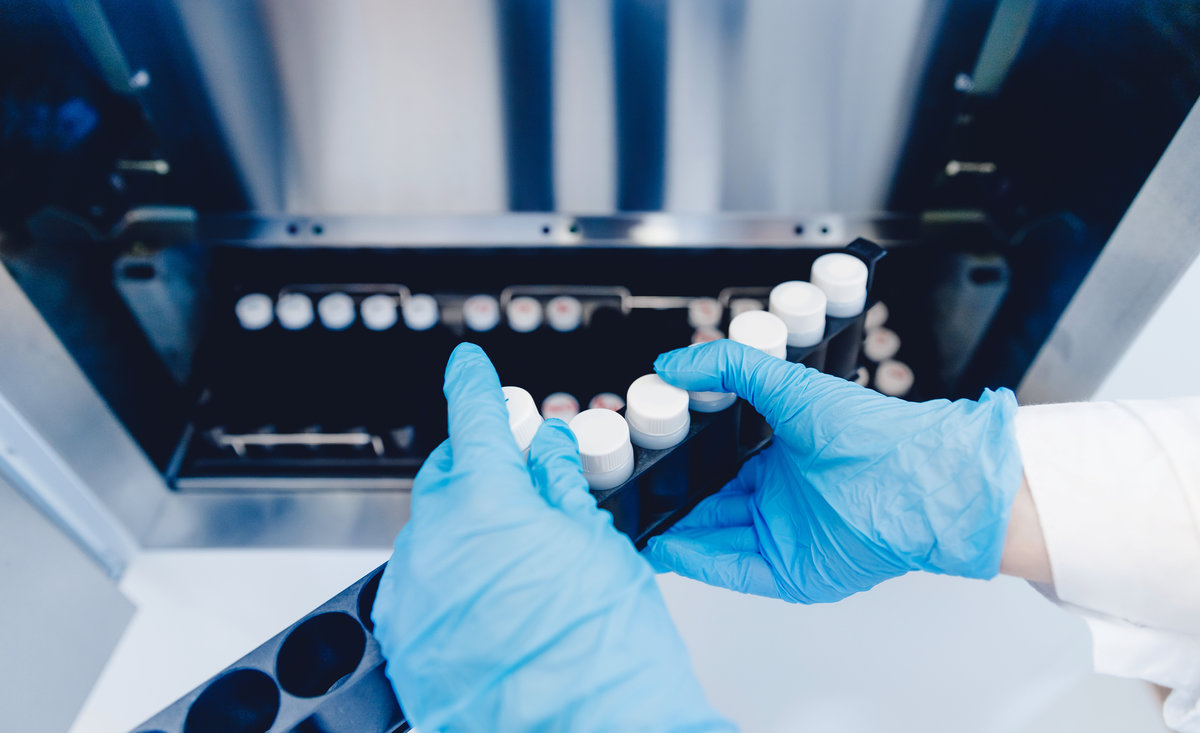
Once eggs reach maturity, embryologists perform ICSI by selecting the healthiest available sperm and injecting it directly into each egg’s cytoplasm. Fertilization typically occurs within 18 hours, and embryos develop over the following three to five days. Key steps in the combined treatment include:
- Egg retrieval with minimal stimulation protocols
- Laboratory maturation of immature eggs over 24 to 48 hours
- ICSI procedure using the healthiest available sperm
- Embryo development and quality assessment over three to five days
- Transfer of the highest-quality embryo, or embryos, to the uterus
Recovery from IVM procedures typically involves less discomfort than traditional IVF because minimal hormonal stimulation means reduced bloating and a lower OHSS risk. Patients generally resume normal activities within a day or two, though strenuous exercise is usually avoided until after embryo transfer.
Success Rates and Realistic Expectations
IVM combined with ICSI can achieve pregnancy rates comparable to traditional IVF with ICSI for appropriate candidates, though outcomes vary based on age, egg quality, and overall reproductive health. Younger patients with good ovarian reserve typically see the highest success rates, while women over 38 may need multiple cycles to achieve pregnancy. The maturation rate for retrieved immature eggs ranges from 50 to 80 percent, meaning not every collected egg will successfully mature in the laboratory.
Fertilization rates following ICSI remain consistent regardless of whether eggs matured naturally in the ovaries or in the laboratory. This consistency makes the combination particularly appealing for couples addressing male factor infertility. Age remains a significant factor in outcomes; our post on IVM success rates by age breaks down how age affects maturation and pregnancy rates in more detail. Multiple embryo transfers may still be necessary, and couples should discuss realistic timelines with their fertility team rather than expecting a single-cycle outcome.
Cost and Practical Considerations
The financial advantages of IVM can be substantial, since eliminating expensive hormone medications reduces overall treatment costs compared with traditional IVF. This can make fertility treatment more accessible for couples without insurance coverage or those paying out of pocket for care. The reduced medication burden also means fewer monitoring appointments and blood tests, further reducing both time and financial investment.
For international patients considering fertility tourism, IVM combined with ICSI offers additional savings without compromising care quality. The simplified medication protocol makes treatment coordination easier across borders, and shorter stimulation phases mean fewer travel days. Couples can complete treatment more efficiently while accessing FDA-licensed and NYDH-licensed facilities that maintain rigorous reproductive medicine standards.
Frequently Asked Questions About IVM and ICSI
Can IVM really be combined with ICSI?
Yes. IVM handles egg retrieval and maturation without hormone stimulation, while ICSI handles fertilization by injecting a single sperm directly into each mature egg. The two techniques address separate steps of treatment, so they can be paired for couples facing both ovarian stimulation concerns and male factor infertility.
Who is a good candidate for combined IVM and ICSI?
Good candidates often include couples with male factor infertility whose female partner also has PCOS, a history of poor response to stimulation, or a preference to avoid extended hormone injections. A fertility evaluation reviewing both partners’ history helps confirm whether this combination fits your situation.
Does IVM lower the risk of ovarian hyperstimulation syndrome?
Yes. Because IVM uses minimal or no hormone stimulation, it largely removes the trigger for ovarian hyperstimulation syndrome, a risk that is notably higher in women with PCOS undergoing conventional stimulated IVF cycles.
How long does the IVM-ICSI process take?
Egg retrieval requires little to no stimulation lead time, laboratory maturation takes 24 to 48 hours, and ICSI fertilization typically occurs within 18 hours after eggs reach maturity. Embryos then develop for three to five days before a transfer is planned, making the overall timeline shorter than a conventional stimulated IVF cycle.
Are pregnancy rates lower with IVM compared to traditional IVF?
For appropriate candidates, IVM combined with ICSI can achieve pregnancy rates comparable to traditional IVF with ICSI, though outcomes still depend on age, egg quality, and overall reproductive health. A fertility specialist can review your individual profile to set realistic expectations.
Combining IVM with ICSI eliminates a major barrier many couples face when addressing both male factor infertility and concerns about intensive hormone protocols. With nearly 9,000 babies born through advanced reproductive techniques and 30 years of specialized experience, Chedid Grieco provides personalized treatment plans that prioritize your comfort throughout the process. Our FDA-licensed and NYDH-licensed facility in São Paulo operates under the same rigorous standards required in the United States.
Consultations take place in Miami, Florida, and treatment is carried out at our laboratory in Brazil as part of our fertility tourism program. To find out whether combined IVM and ICSI fits your situation, contact our office to schedule a consultation.
About the Author
Founder, Chedid Grieco Reproductive Medicine Laboratory
Dr. Silvana Chedid helped bring intracytoplasmic sperm injection to Brazil in 1992 after training in Human Reproduction and Gynecological Endoscopy at the Free University of Brussels. She founded the Chedid Grieco Reproductive Medicine Laboratory in 2002 and is a member of the American and European Human Reproduction Societies.
Recent Posts