

What Happens to Your Eggs After Retrieval? A Lab-by-Lab Breakdown
Every fertility patient asks some version of the same question the moment retrieval is over: what happens to my eggs now? The room empties, the sedation wears off, and the part of the process you can see is finished, while the part that actually determines your outcome is just beginning.
At our human reproduction laboratory, every hour after retrieval is documented, monitored, and explained back to you in plain language. Chedid Grieco has spent 30 years refining this process, and this breakdown walks you through each stage, from the moment your eggs leave the follicle to the moment an embryo is ready for transfer or freezing.
The First Hour After Retrieval
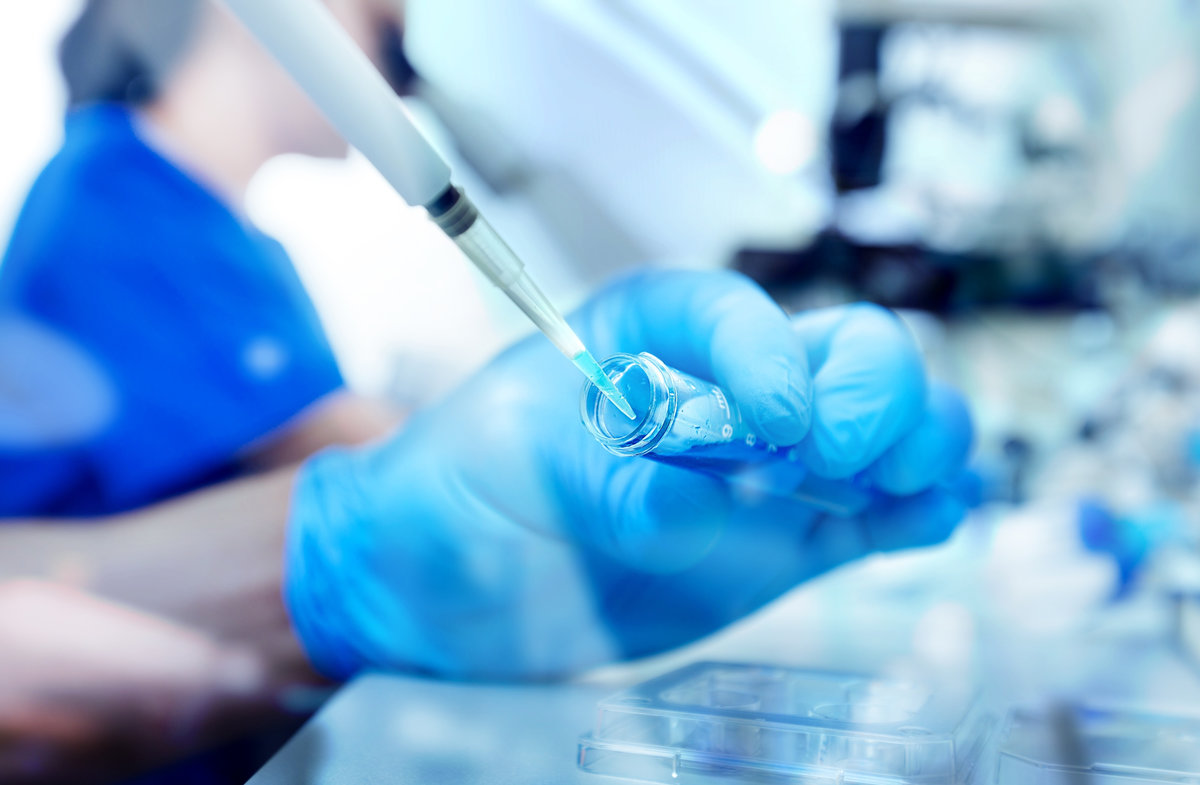
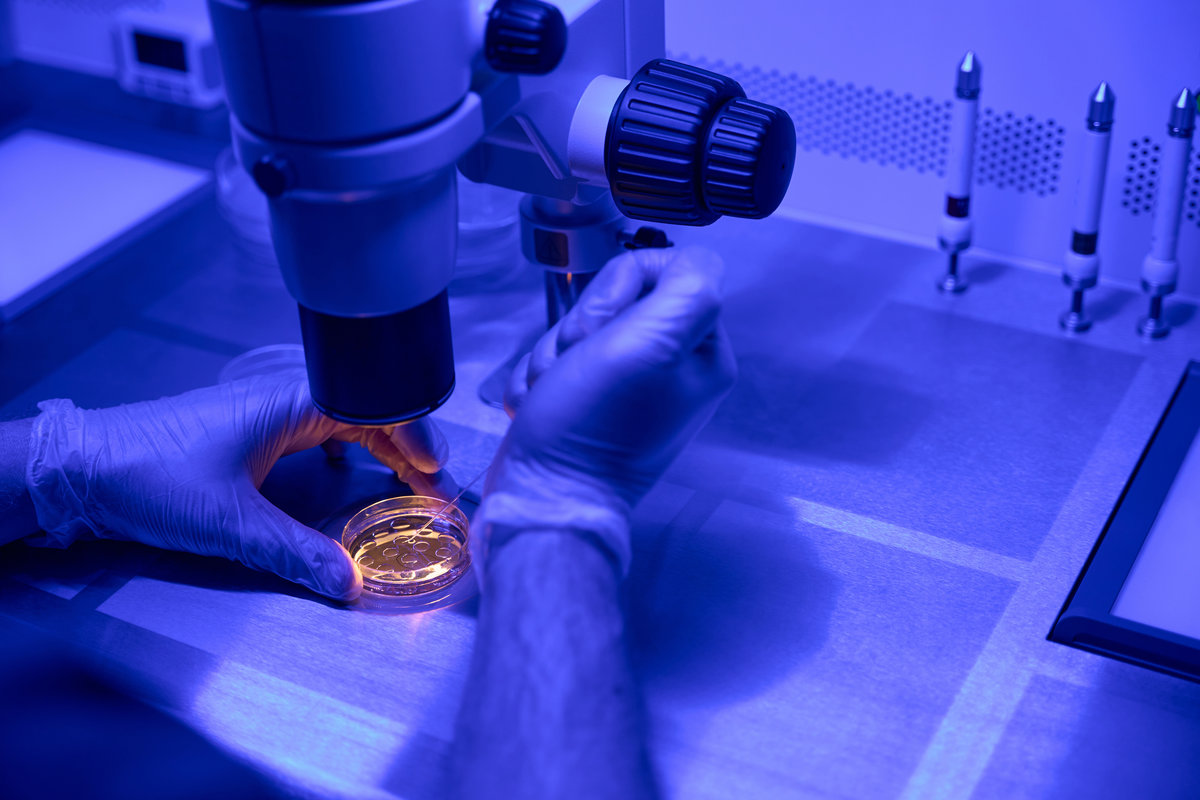
As soon as your eggs are retrieved, they travel directly to the lab in a warmed dish designed to protect them from temperature shifts. Our embryologists examine each egg under a microscope to check for maturity, since only mature eggs can be fertilized. Immature eggs are noted separately, because some can still mature in culture over the following hours.
This identification step matters more than most patients realize. Embryology labs are responsible for identifying retrieved eggs, fertilizing them, culturing the resulting embryos, and preparing them for transfer or freezing, all under strict quality and staffing standards designed to protect each specimen at every stage, according to the American Society for Reproductive Medicine. Every dish that moves through our lab is tracked with that same level of documentation.
Fertilization Choices and Timing
Mature eggs are fertilized within hours of retrieval, either through conventional insemination or intracytoplasmic sperm injection, known as ICSI. The choice depends on sperm quality and treatment history, and our team reviews this with you before the cycle begins.
By the next morning, embryologists check each egg for signs of normal fertilization. Two pronuclei, one from the egg and one from the sperm, confirm fertilization occurred correctly. Eggs that fertilize abnormally are set aside, since transferring them would not lead to a healthy pregnancy.
Culture and Daily Monitoring
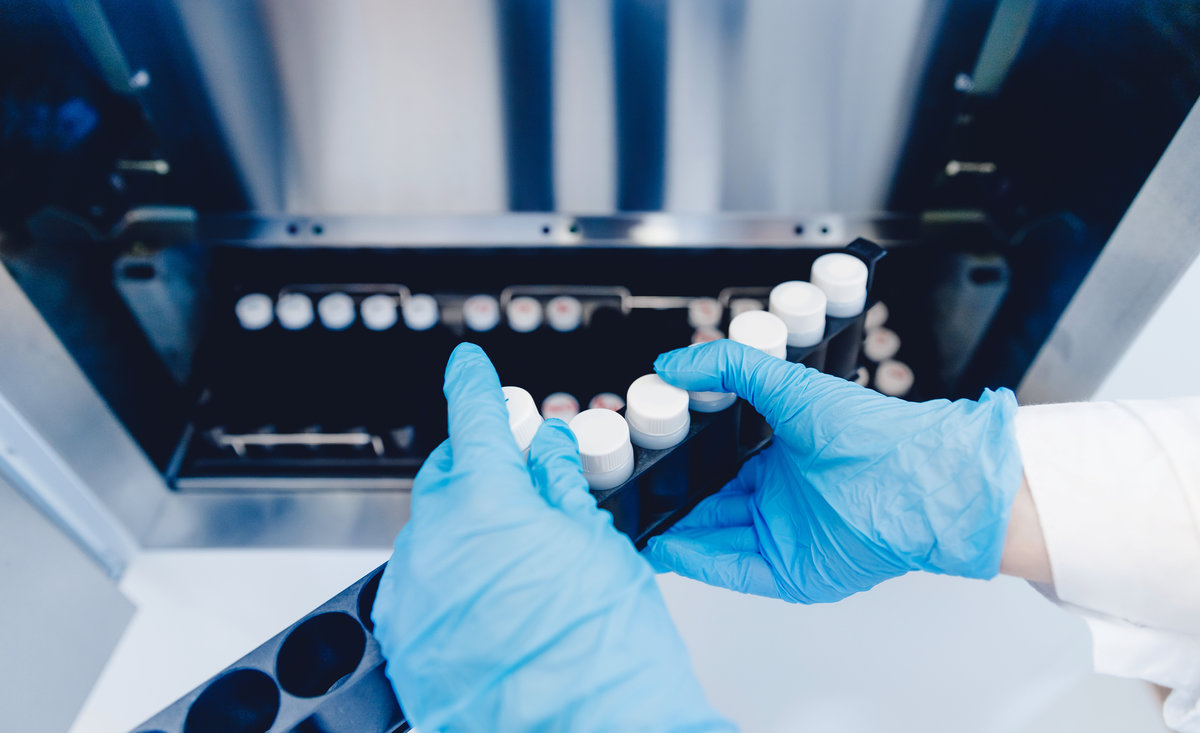
Fertilized eggs, now early embryos, move into an incubator built to mimic conditions inside the body. Temperature and gas levels are controlled variables, since small fluctuations can affect development over the following days. Our embryologists check embryos daily, looking at cell number, symmetry, and fragmentation to track progress toward the blastocyst stage, which typically arrives around day five or six.
Grading and Selecting the Strongest Embryos
Around day five, blastocysts are graded based on their structure, including how well the inner cell mass and outer layer of cells have formed. This grading, which we cover in more depth in our embryo grading and selection guide, helps our team identify which embryos have the best chance of implanting successfully.
A few additional steps may apply depending on your treatment plan:
- Assisted hatching may help an embryo break free of its outer shell before implantation.
- Preimplantation genetic testing can screen embryos for chromosomal abnormalities before transfer.
- Vitrification, a rapid freezing method, preserves embryos not transferred right away.
Each step is optional and depends on your individual treatment goals, which we discuss with you well before retrieval day.
What Happens Next: Transfer or Freezing
Once an embryo reaches a stage worth transferring, you and your physician decide together whether to proceed with a fresh transfer or freeze the embryo for a later cycle. Many patients traveling between Miami and our São Paulo laboratory choose a frozen transfer for added flexibility around travel and recovery.
Our team at Chedid Grieco also offers in vitro maturation, a technique that allows eggs to mature in the lab instead of through ovarian stimulation injections. Our IVM science overview explains how this option changes the retrieval experience itself. Whichever path fits your situation, our blastocyst culture team documents every step so you always know where your embryos stand.
Start the Conversation with Chedid Grieco
From the moment your eggs reach our lab to the day an embryo is ready for transfer, Chedid Grieco has spent 30 years refining every step of this process. We maintain FDA and NYDH licensing for our tissue handling standards, and our clinic has supported more than 8,780 babies born through roughly 1,200 cycles each year, the kind of experience that comes only from doing this work at scale, every single day.
Consultations are held in Miami, while treatments take place at our laboratory in Brazil, an arrangement made possible through our fertility tourism program. If you have questions about what happens to your eggs after retrieval, reach out through our contact form to get started.
Recent Posts