

Uterus transplants enable successful pregnancies, study finds
Medically Reviewed by Dr. Silvana Chedid on August 31, 2026
Uterus transplantation allows some women with absolute uterine factor infertility to become pregnant and give birth using a uterus received from a living or deceased donor, though the procedure remains complex, tightly regulated, and available only through a small number of transplant programs worldwide. Long-term outcomes data collected from United States transplant centers shows that most recipients who maintain a functioning uterine graft go on to carry a pregnancy to a viable gestational age, though the transplant does not succeed for every recipient, and every pregnancy that follows still depends on in vitro fertilization rather than natural conception.
Our team at Chedid Grieco follows research like this closely, because it shapes how we talk with patients about the full range of family-building options available when a uterus is absent, malformed, or no longer functional. While uterus transplantation is not a procedure we perform, understanding where the science currently stands helps us guide patients toward the in vitro fertilization and family-building pathways available to them today, whether they are just beginning to explore their options or preparing for treatment.
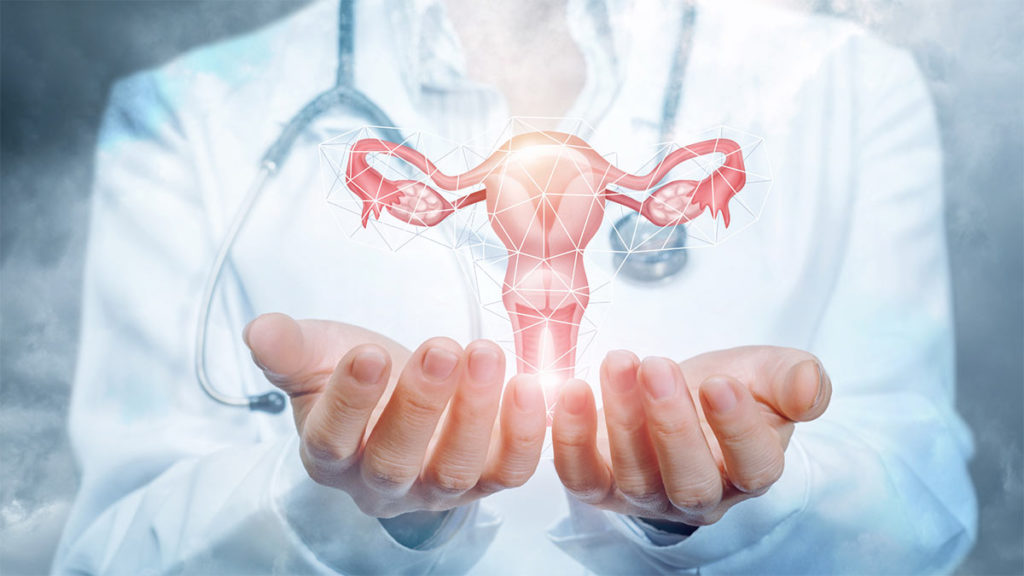
How Uterus Transplant Surgery Works
Uterus transplantation is considered for women affected by absolute uterine factor infertility, meaning a uterus that is absent, malformed, or no longer capable of carrying a pregnancy. Common underlying causes include:
- A malformation of the uterus that could not be corrected surgically;
- Congenital absence of the uterus at birth;
- Surgical removal of the uterus due to cancer, fibroids, or hemorrhage;
- A uterus that is present but not fully functioning; and
- Uterine damage caused by prior radiotherapy.
The transplant procedure itself is a complex operation that requires careful evaluation of both donor and recipient. Living donors undergo extensive medical screening to confirm they are healthy enough to donate, and uteruses can also come from deceased donors. Once compatibility and health are confirmed for both parties, surgeons perform the transplant and connect the donor uterus to the recipient’s blood supply. Recipients then take immunosuppressive medication for as long as the uterus remains in the body, to keep the immune system from rejecting the new organ.
Because lifelong immunosuppression carries its own health risks, a transplanted uterus is not intended to stay in place indefinitely. Most protocols allow for up to two pregnancies before the uterus is surgically removed through a hysterectomy, at which point the immunosuppressive medication can be stopped.
Who Needs a Uterus Transplant? Understanding Absolute Uterine Factor Infertility
Researchers estimate that absolute uterine factor infertility affects roughly one in 500 women of reproductive age. The condition falls into two broad categories. Congenital absolute uterine factor infertility means a woman was born without a uterus, most commonly due to Mayer-Rokitansky-Küster-Hauser (MRKH) syndrome. Acquired absolute uterine factor infertility develops later in life, typically after a hysterectomy performed for cancer, severe fibroids, uncontrolled hemorrhage, or extensive scarring that leaves the uterus unable to support a pregnancy.
What often surprises patients is that many women with absolute uterine factor infertility have ovaries that function normally and continue to produce healthy eggs. The barrier to pregnancy is specifically the uterus, not egg production, which is part of why in vitro fertilization on its own does not solve the problem for this group. Until uterus transplantation entered clinical research, gestational surrogacy and adoption were the only established paths to parenthood for many women in this position, and given how few centers worldwide currently perform uterus transplants, they remain the most accessible options for most patients today.
Can You Get Pregnant Naturally After a Uterus Transplant?
No. A transplanted uterus is not connected to the fallopian tubes or to the recipient’s own reproductive anatomy in a way that would allow an egg released from the ovary to travel down naturally. Surgeons intentionally avoid connecting the new uterus to the fallopian tubes, since doing so can create scar tissue that blocks the tubes or increases the risk of ectopic pregnancy, a dangerous complication in which an embryo implants outside the uterus. Because of this, every pregnancy following a uterus transplant is achieved through in vitro fertilization. Eggs are retrieved from the recipient’s ovaries, or from a donor when needed, fertilized in a laboratory, and the resulting embryos are frozen until the transplant team confirms the new uterus is healthy and free of rejection.
What the Research Shows About Uterus Transplant Pregnancy Outcomes
The most complete outcomes data on uterus transplantation in the United States comes from “The First 5 Years of Uterus Transplant in the US: A Report From the United States Uterus Transplant Consortium,” published in JAMA Surgery in 2022. The consortium pooled outcomes from the three programs performing uterus transplants at the time, Baylor University Medical Center, Cleveland Clinic, and the University of Pennsylvania, covering 33 women with absolute uterine factor infertility transplanted between February 2016 and September 2021.
Of those 33 recipients, 19, or 58%, went on to have at least one live-born child, for a combined total of 21 healthy babies. More than half of the infants were born after 36 weeks of gestation, and researchers reported one-year graft survival of around 74%, meaning most transplanted uteruses remained viable through the first year regardless of whether a pregnancy ultimately followed. No congenital malformations were identified among the children born from these pregnancies.
A related single-center follow-up published in JAMA in 2024, tracking 20 recipients treated at Baylor between 2016 and 2019, reported similar patterns over a longer observation window. Fourteen of the 20 transplants were considered successful, and every recipient with a successful transplant went on to deliver at least one live-born child. Maternal complications, including gestational hypertension and preterm labor, occurred in roughly half of the pregnancies that followed a successful transplant, a reminder that uterus transplantation remains a significant medical undertaking for the recipient even when it results in a healthy birth.
The Cost and Experimental Status of Uterus Transplantation in Brazil
In Brazil, uterus transplantation remains an experimental procedure rather than an established clinical option. It is not offered through the country’s public health system (Sistema Único de Saúde, or SUS), and because so few procedures have been performed worldwide, there is no standardized market cost for the surgery.
What is known is that a uterus transplant demands a large multidisciplinary medical team, including transplant surgeons, reproductive endocrinologists, and specialists in immunology and maternal-fetal medicine, along with extended hospitalization and monitoring for both donor and recipient. Both parties can experience medical complications that require additional treatment. Given the surgical complexity, the temporary but demanding immunosuppression regimen, and the extended follow-up required, uterus transplantation is understood to be a costly and resource-intensive form of fertility treatment wherever it is performed.
How This Research Relates to Fertility Care at Chedid Grieco
Uterus transplantation is not a procedure we perform at Chedid Grieco, and it remains outside standard fertility care even at most major academic transplant centers. We follow this research because it helps us give patients an accurate picture of where the science stands when absolute uterine factor infertility comes up during a consultation.
For patients with a uterus that is absent, malformed, or no longer functional, but with ovaries capable of producing eggs, the established family-building pathways today generally combine in vitro fertilization with a gestational carrier, alongside options such as egg donation or fertility preservation for patients who want to protect their fertility before further treatment. We walk through each of these pathways individually with patients, since the right option depends on a person’s specific diagnosis, ovarian function, and family-building goals.
Because our practice is built around a consultation in Miami followed by treatment at our clinic in Brazil, we also talk through what that process looks like logistically for patients coming from outside the country. You can read more about how that consultation-to-treatment model works on our fertility tourism page before your first appointment.
Dr. Silvana Chedid has spent more than 30 years in reproductive medicine, introduced intracytoplasmic sperm injection (ICSI) to Brazil, and has helped guide nearly 9,000 families through fertility treatment. Our practice is FDA-licensed and licensed through the New York Department of Health (NYDH), operates under Brazil’s regulatory framework for reproductive medicine, and completes roughly 1,200 treatment cycles each year. We build a boutique, customized treatment plan for every patient we see, and our female-led team welcomes LGBTQI+ individuals and couples building their families through assisted reproduction.
If you are trying to understand your options after a diagnosis involving your uterus, or simply want a clear picture of where fertility medicine stands today, we are here to talk through what makes sense for your situation. Reach out through our Contact form to schedule a consultation in Miami and learn more about treatment at our clinic in Brazil.
Frequently Asked Questions About Uterus Transplants
What is absolute uterine factor infertility?
Absolute uterine factor infertility describes a uterus that is missing from birth, malformed, or no longer able to support a pregnancy, often because of prior surgery, cancer treatment, or severe scarring. Women with this condition frequently have normally functioning ovaries, so the barrier to pregnancy is specifically the uterus rather than egg production. Estimates suggest the condition affects roughly one in 500 women of reproductive age.
How successful are uterus transplants at producing a live birth?
A 2022 report from the United States Uterus Transplant Consortium, published in JAMA Surgery, followed 33 women transplanted across three American centers between 2016 and 2021. Nineteen of those recipients, or 58%, went on to have at least one live-born child, resulting in 21 healthy babies overall. Outcomes vary by recipient, and not every transplant leads to a successful pregnancy, so individual results depend on many medical factors.
Can you get pregnant naturally after receiving a uterus transplant?
No. Surgeons do not connect a transplanted uterus to the fallopian tubes, since doing so can cause scarring and increase the risk of a dangerous ectopic pregnancy. Every pregnancy after a uterus transplant is achieved through in vitro fertilization, using embryos transferred once the new uterus is confirmed healthy and free of rejection.
Is uterus transplantation available as a treatment in Brazil?
Uterus transplantation remains an experimental procedure in Brazil rather than an established clinical option, and it is not offered through the country’s public health system. It requires a large multidisciplinary medical team and extended monitoring for both donor and recipient, which is part of why it is not currently offered at Chedid Grieco or most fertility clinics.
What are the alternatives for family building when uterus transplantation is not an option?
Most women with absolute uterine factor infertility build their families through in vitro fertilization combined with a gestational carrier, since this pathway does not depend on a limited number of transplant programs. Egg donation and fertility preservation are also part of the conversation for patients who want to protect their fertility or need donor eggs to move forward with treatment.
ABOUT THE AUTHOR
Reproductive Medicine Specialist, Chedid Grieco
Dr. Silvana Chedid has over 30 years of experience in reproductive medicine and has helped nearly 9,000 families grow through advanced fertility treatments at Chedid Grieco.
Recent Posts