

Pelvic Inflammatory Disease: Causes, Symptoms, and Fertility Risk
Medically Reviewed by Dr. Silvana Chedid on August 17, 2026
Pelvic inflammatory disease, or PID, is an infection of the upper female genital tract, including the uterus, fallopian tubes, and ovaries. It most often affects women between the ages of 20 and 35, and it is the most common serious complication of untreated sexually transmitted infections, contributing to ectopic pregnancy, chronic pelvic pain, and infertility.
Because early PID can be mild or entirely without symptoms, many cases go unrecognized until a complication, such as difficulty conceiving, brings a patient in for evaluation. Understanding how PID develops, what it feels like, and how it is diagnosed and treated can help you recognize it early and protect your long-term reproductive health.
How Does Someone Develop PID?
The most common cause of PID is a sexually transmitted infection that travels upward from the vagina and cervix into the uterus and fallopian tubes. It can also arise following gynecological procedures or events that create an opening for bacteria to migrate upward, including:
- Childbirth: The postpartum period carries a temporary window of increased risk.
- Abortion or miscarriage management: Any procedure that involves the cervix can introduce risk.
- IUD insertion: Risk is highest in the first few weeks after an intrauterine device is placed.
- Endometrial biopsy: A diagnostic sampling procedure that briefly opens the cervical canal.
- Hysteroscopy: A procedure used to examine or treat the inside of the uterus.
- Uterine curettage: A procedure that involves instruments passing through the cervix.
The bacteria most frequently involved in PID are Chlamydia trachomatis and Neisseria gonorrhoeae, though bacteria that are normally present in the vaginal flora can also be responsible in some cases.
What Does PID Feel Like?
Symptoms vary widely in intensity, and that variability is part of what makes PID difficult to catch early. The most common signs include vaginal discharge with an altered color, odor, or consistency, along with lower abdominal pain that frequently begins right after the menstrual period.
Fever, chills, pain during sexual intercourse, or irregular menstrual bleeding may also occur. Because these symptoms overlap with other conditions, it is essential for a clinician to rule out issues such as acute appendicitis and ectopic pregnancy before confirming a PID diagnosis.
How Is PID Diagnosed?
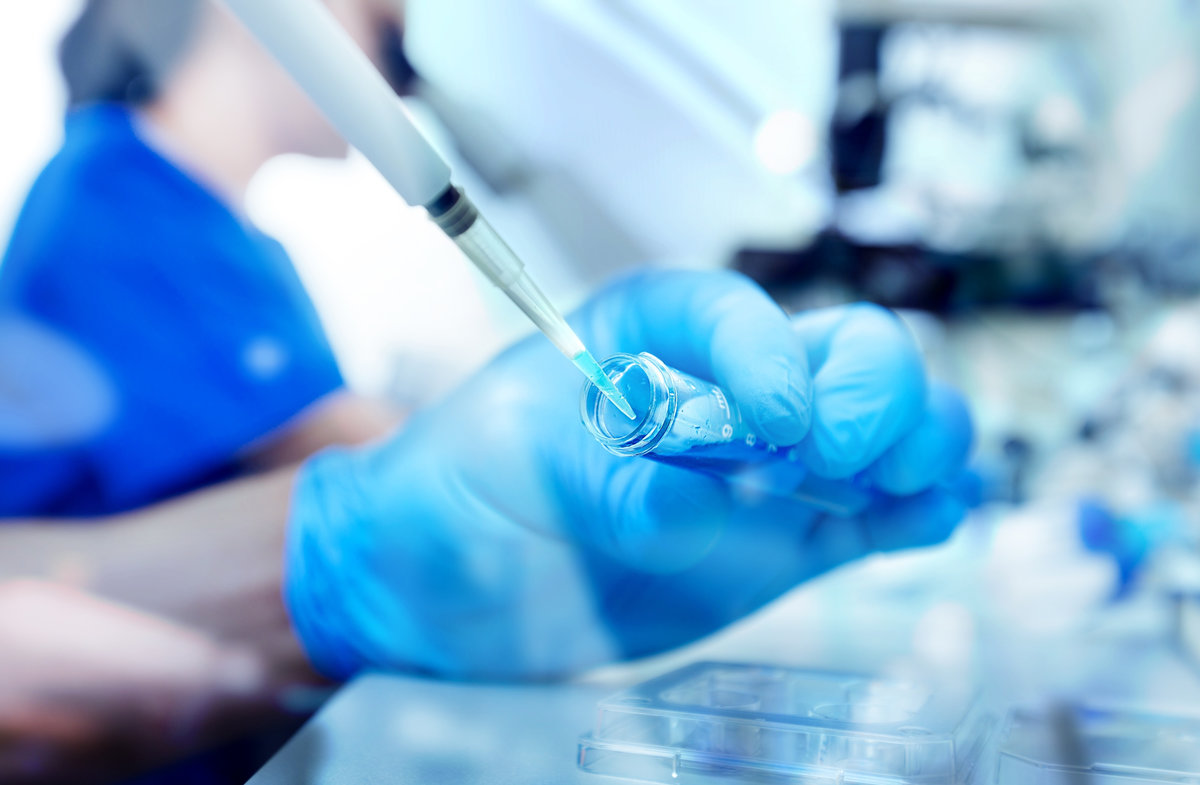
Diagnosis begins with a physical examination that evaluates the presence and characteristics of discharge, tenderness on abdominal palpation, and pain with movement of the uterus. Several laboratory tests support the physical exam, including a complete blood count, a pregnancy test, testing for chlamydia and gonorrhea, a fresh examination of vaginal secretions, and a pelvic ultrasound. Together, these findings help confirm the diagnosis and rule out other causes of pelvic pain.
How Is PID Treated?
Uncomplicated PID is typically treated on an outpatient basis with a course of antibiotics and close follow-up to confirm the infection is resolving. Complicated cases, including those involving an abscess or a patient who cannot tolerate oral medication, require hospitalization and intravenous antibiotic therapy followed by oral treatment. A sexual partner should always be evaluated and treated as well, since reinfection from an untreated partner is common.
Prevention centers on safe sexual practices, consistent condom use, and regular screening for sexually transmitted infections, particularly for anyone with a new or multiple partners.
Why PID Matters for Fertility
PID is one of the more preventable causes of tubal infertility, and the risk compounds with each episode. According to the Centers for Disease Control and Prevention, about 1 in 8 women with a history of PID goes on to have difficulty getting pregnant, and the risk of infertility rises with the number of infections a person has had, even when individual episodes were mild.
The scarring PID leaves behind can block or damage the fallopian tubes, which prevents the egg and sperm from meeting naturally and raises the risk of ectopic pregnancy in a future pregnancy. This is why a past PID diagnosis is one of the details we ask about during an infertility evaluation, alongside menstrual history, prior surgeries, and any other risk factors that may point toward tubal disease.
What This Means If You Are Trying to Conceive
If you have a history of PID and are having difficulty conceiving, the first step is usually imaging to evaluate whether your fallopian tubes are open and functioning. Depending on what that evaluation shows, treatment options range from surgical repair in select cases to bypassing the tubes altogether through in vitro fertilization, which does not require open, healthy tubes to succeed.
Every patient’s history is different, and a prior PID diagnosis does not automatically mean natural conception is impossible. It does mean your evaluation should specifically account for tubal health rather than assuming the cause of any delay lies elsewhere. If PID occurred alongside another condition affecting the pelvis, such as endometriosis, both should be considered together when building a treatment plan.
Talk to Chedid Grieco About Your Fertility Health
With 30 years of experience and nearly 9,000 babies born, our team has guided patients through fertility evaluations involving tubal damage, prior infections, and a wide range of reproductive health histories. We take a thorough approach to understanding what may be affecting your fertility so that your treatment plan reflects your actual circumstances rather than a generic protocol.
Consultations are held in Miami, with treatment conducted at our FDA-licensed, NYDH-licensed facility in Brazil. If you have a history of PID or another pelvic condition and are ready to understand your options, contact us to schedule a consultation, or review common questions about our process before you get started.
Frequently Asked Questions About Pelvic Inflammatory Disease
Can PID be cured, or does it cause permanent damage?
The infection itself can be cured with antibiotics, but scarring that already formed in the fallopian tubes before treatment began does not reverse on its own, which is why early diagnosis makes such a difference for long-term fertility.
How do I know if pelvic pain is PID or something else?
Pelvic pain has many causes, including ovarian cysts, endometriosis, and appendicitis, so a physical exam combined with lab testing and ultrasound is needed to distinguish PID from these other conditions rather than relying on symptoms alone.
Does having PID once mean I will not be able to get pregnant?
No. A single episode of PID raises the risk of fertility issues but does not make pregnancy impossible, and many people with a PID history conceive naturally or with the help of fertility treatment depending on how much tubal damage occurred.
What tests confirm whether my fallopian tubes were affected by PID?
Imaging such as a hysterosalpingogram or a saline sonogram can show whether the tubes are open, while a hysteroscopy allows direct evaluation of the uterine cavity when more detail is needed.
If my tubes are blocked from PID, is IVF still an option?
Yes. In vitro fertilization retrieves eggs directly from the ovaries and transfers embryos into the uterus, which bypasses the fallopian tubes entirely and remains an option even when tubal damage from PID is significant.
ABOUT THE AUTHOR
Director, Chedid Grieco Reproductive Medicine Laboratory
Dr. Silvana Chedid has led the Chedid Grieco Reproductive Medicine Laboratory in São Paulo since 1995 and directs the Center for Pelvic Endoscopy and Human Reproduction at Hospital Beneficência Portuguesa. She is a member of the American and European Human Reproduction Societies.
Recent Posts