

How Is Egg Collection Carried Out?
Medically Reviewed by Dr. Silvana Chedid on August 12, 2026
Egg retrieval, sometimes called egg collection or oocyte retrieval, is the procedure that removes mature eggs from the ovaries so they can be fertilized in the laboratory as part of IVF, used for egg donation, or set aside through egg freezing. It is a short outpatient procedure, but it follows weeks of preparation and is one of the steps patients ask the most questions about before treatment begins. Here is what actually happens before, during, and after egg collection.
Before Retrieval: Ovarian Stimulation and Monitoring
Egg collection cannot happen on its own. In a natural cycle, the body typically releases one mature egg per month, which is not enough for IVF. To collect multiple eggs in a single cycle, patients take hormone medications for roughly nine to twelve days to stimulate the ovaries to develop several mature follicles at once. During this stimulation phase, your care team monitors your progress through blood tests and ultrasounds every few days, adjusting medication doses as needed based on how your ovaries respond.
Once the follicles reach the appropriate size, a trigger medication is given to complete the final maturation of the eggs. Retrieval is scheduled precisely, typically 34 to 36 hours after the trigger shot, so that the eggs are collected at the optimal point in their maturation.
What Happens on the Day of Egg Collection
Egg collection is performed as a short outpatient procedure using ultrasound-guided aspiration. A thin needle, guided by a transvaginal ultrasound probe, is passed through the vaginal wall into each ovary to gently aspirate the fluid from every mature follicle. The fluid, which contains the eggs, is immediately handed to the embryology laboratory for identification under a microscope.
Patients receive sedation or light anesthesia for the procedure, so you will not feel pain during the retrieval itself. The entire procedure typically takes fifteen to twenty minutes, and most patients go home within a few hours once the sedation wears off.
What Happens to the Eggs After Collection
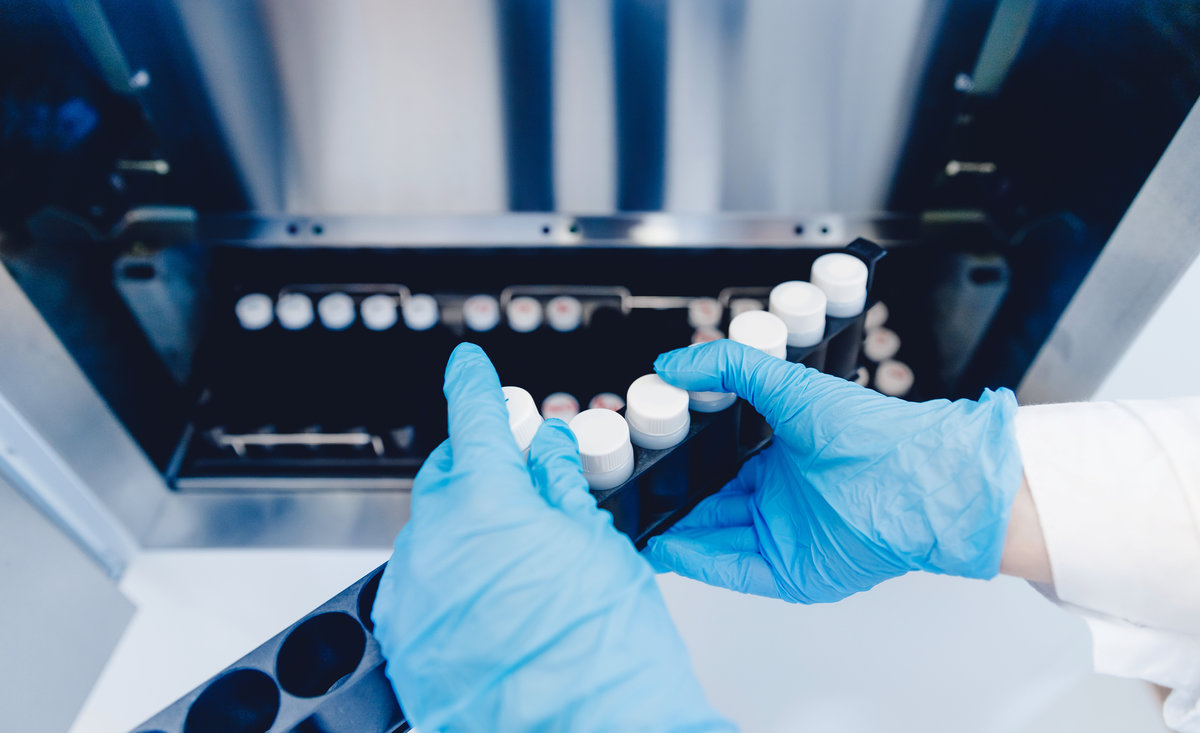
Once the eggs are identified in the laboratory, embryologists evaluate their maturity under a microscope and transfer each usable egg into a culture medium to keep it healthy while decisions about the next step are made. Depending on your treatment plan, mature eggs are then either fertilized the same day using conventional insemination or the ICSI technique, or frozen using vitrification for future use. Fertilized eggs that develop normally are monitored in an incubator over the following days as they grow into embryos.
Recovery After Egg Retrieval
Most patients experience mild cramping, bloating, or spotting for a day or two after retrieval, which is a normal response to the procedure and the fluid shift that comes with it. Many patients return to light activity within a day, though your care team will give you specific guidance based on how many follicles were retrieved and how you responded to stimulation. A small number of patients develop ovarian hyperstimulation syndrome, a temporary overresponse to stimulation medication that your monitoring appointments are designed to catch early, so contact your care team promptly if you experience significant pain, rapid weight gain, or shortness of breath after retrieval.
If you are comparing timelines between different protocols, our breakdown of recovery time after egg retrieval with IVM versus traditional IVF covers how recovery can differ depending on the stimulation approach used.
How Many Eggs Are Typically Retrieved?
The number of eggs retrieved varies widely based on age, ovarian reserve, and how your body responds to stimulation medication. Younger patients with strong ovarian reserve often produce more mature follicles per cycle, while patients with diminished ovarian reserve may produce fewer. Your care team sets expectations for your specific cycle during monitoring, since egg count on its own does not determine outcome; egg quality and how the eggs develop after fertilization matter just as much.
Ready to Learn More About Egg Retrieval?
With nearly 30 years of experience, FDA and NYDH licensing, and a laboratory team that has supported almost 9,000 babies born through our care, Chedid Grieco is here to walk you through exactly what to expect from egg retrieval and every other step of your fertility treatment.
If you have questions about egg retrieval, egg freezing, or how IVF fits your specific situation, reach out through our contact form to schedule a consultation.
Frequently Asked Questions About Egg Collection
Is egg collection painful?
No, patients receive sedation or light anesthesia during the procedure, so you will not feel pain during the retrieval itself. Some mild cramping or bloating is common for a day or two afterward as the body recovers from the procedure and the effects of stimulation medication.
How long does the egg retrieval procedure take?
The retrieval itself typically takes fifteen to twenty minutes. Most patients spend a few hours at the clinic total to allow time for sedation and recovery before heading home the same day.
How soon after the trigger shot does egg retrieval happen?
Retrieval is typically scheduled 34 to 36 hours after the trigger medication is given. This timing is precise because it allows the eggs to reach the optimal point of maturity just before ovulation would naturally occur.
What happens to my eggs immediately after retrieval?
The follicular fluid collected during retrieval is sent directly to the embryology laboratory, where embryologists identify the eggs under a microscope and evaluate their maturity. Depending on your treatment plan, mature eggs are then fertilized the same day or frozen using vitrification for future use.
What are the risks of egg retrieval?
Egg retrieval is generally safe, though mild cramping, bloating, and spotting are common afterward. A small number of patients develop ovarian hyperstimulation syndrome, a temporary overresponse to stimulation medication, which is why monitoring appointments throughout stimulation are designed to catch that risk early.
Recent Posts