


How Alabama’s New IVF Ruling Could Affect Your Journey to Parenthood
In February 2024, the Alabama Supreme Court ruled that frozen embryos are legally children under the state’s wrongful death statute, a decision that briefly halted in-vitro fertilization (IVF) services across the state as clinics weighed the legal exposure of storing, discarding, or transferring embryos. Alabama lawmakers responded quickly with legislation shielding IVF providers and patients from liability, and clinics resumed services within weeks. Even so, the underlying legal question the ruling raised, whether an embryo outside the body is legally a person, has not gone away, and it continues to shape the conversation around reproductive law nationwide.
If you are researching your options because of what happened in Alabama, or because you are simply trying to understand how fertility law varies from state to state, here is where things currently stand and what it may mean for your path to parenthood.
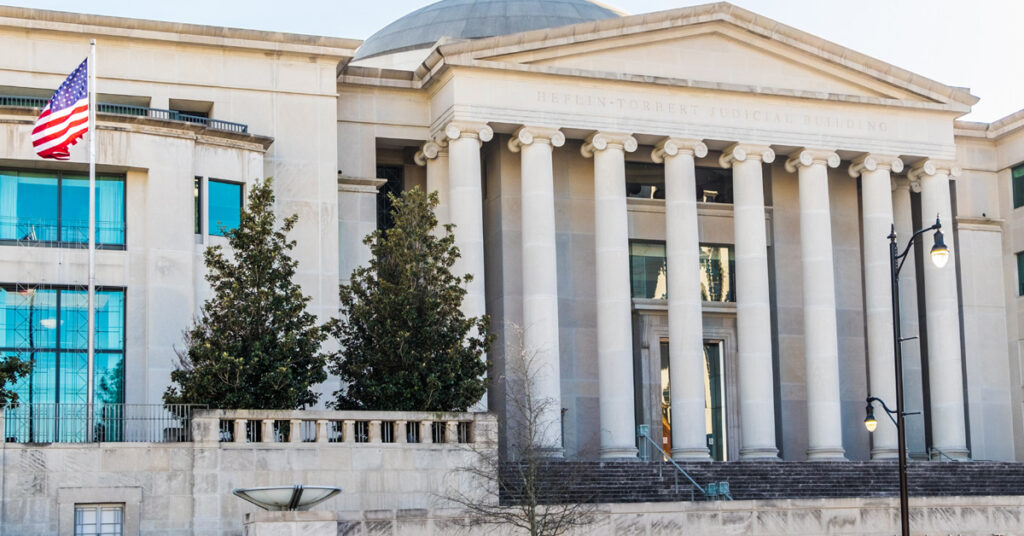
What Was the Alabama Supreme Court’s IVF Ruling?
The case, known as LePage v. Center for Reproductive Medicine, arose after a patient accidentally destroyed several frozen embryos belonging to other families at an Alabama fertility clinic. The affected families sued under the state’s Wrongful Death of a Minor Act, and the Alabama Supreme Court agreed that the Act’s language applied to embryos stored outside the uterus. The ruling did not ban IVF outright, but it exposed clinics and providers to potential wrongful death liability for anything that happened to a stored embryo, which is why several Alabama clinics paused treatment rather than continue operating under that legal risk.
How Alabama Lawmakers Responded
Nineteen days after the ruling, the Alabama legislature passed, and Governor Kay Ivey signed, a law granting civil and criminal immunity to IVF clinics, providers, and the manufacturers of goods used in fertility treatment for damage to or destruction of an embryo. The law applied retroactively to protect providers operating at the time of the LePage decision, and Alabama clinics that had paused treatment resumed services shortly after it took effect.
It is worth understanding what the immunity law does and does not do. It protects clinics and patients from lawsuits over embryo loss, but it does not overturn the Alabama Supreme Court’s underlying legal reasoning that embryos can be considered children under certain state statutes. That distinction is part of why legal scholars and reproductive rights organizations continue to describe Alabama’s law as a targeted fix rather than a full resolution of the personhood question it raised.
What This Still Means for Patients and Providers
Because the immunity law addresses liability rather than the personhood question itself, several practical considerations remain relevant for anyone weighing IVF in a state with embryo personhood language on the books:
- Clinics may still be cautious about long-term embryo storage, discard decisions, or genetic testing that could result in an embryo not being transferred.
- Providers may lean toward more conservative protocols around how many embryos are created or frozen at once.
- Patients may face more complex decisions about unused embryos, particularly around disposition, donation, or continued storage.
- Legal protections passed in response to one ruling may not extend to future cases or to other states considering similar personhood language.
Fertility law varies significantly from state to state, and the rules governing embryo disposition, storage, and IVF access in Alabama are not the same as the rules in Florida, California, or New York. If you want a clearer picture of how state-level regulation compares to how fertility care is regulated where treatment actually takes place, our breakdown of how Brazilian fertility regulations compare to US state laws covers that in more detail.
This article is meant to help you understand the general landscape, not to serve as legal advice for your specific situation. If you have questions about how personhood laws, embryo disposition rules, or interstate treatment might affect your family-building plans, a reproductive law attorney can advise you on the specifics that apply to your state and circumstances.
Can You Still Build a Family After Alabama’s Ruling?
Yes. Alabama’s immunity law kept IVF services available in-state, and patients across the country continue to have options regardless of where their home state stands on embryo personhood. Some patients choose to pursue treatment in a different US state with more settled law, while others look at fertility care outside the United States for a more predictable regulatory framework, often at a lower cost.
Want to Protect Your Journey to Parenthood? Contact Chedid Grieco to Learn More About Your Options
Alabama’s ruling and the legislative response to it are a reminder that fertility law in the US is unsettled and varies by state. At Chedid Grieco, we recognize how important it is to understand these legal changes and what they mean for your family planning journey. With nearly 30 years of experience, FDA and NYDH licensing, and our dedication to providing personalized care, we are here to help you navigate these challenges.
Our team has already assisted nearly 9,000 families, and we proudly support all family types, including LGBTQI+ communities. Whether you’re seeking clarity on how state-level rulings may affect your fertility options or you need guidance on the best steps forward, we are here to assist. Reach out to us at (305) 912-0050 or complete our contact form.
Frequently Asked Questions About Alabama’s IVF Ruling
Is IVF still legal in Alabama?
Yes, IVF is legal and available in Alabama. Clinics paused services briefly after the February 2024 Alabama Supreme Court ruling, but resumed once the legislature passed an immunity law protecting providers and patients from liability tied to embryo loss.
Did Alabama’s new law overturn the Supreme Court’s embryo personhood ruling?
No. The immunity law shields IVF clinics, providers, and patients from civil and criminal liability for damage to or destruction of an embryo, but it does not reverse the Alabama Supreme Court’s underlying legal reasoning that embryos can be considered children under the state’s wrongful death statute.
Could a similar ruling happen in another state?
It is possible. Fertility law varies significantly by state, and several states have considered embryo personhood language in other legal contexts. Anyone concerned about how their state’s laws might affect IVF or embryo storage should speak with a reproductive law attorney familiar with that state’s statutes.
What are my options if I am worried about state-level fertility law?
Some patients pursue treatment in a different US state with more settled fertility law, while others consider fertility care outside the United States under a different regulatory framework. Both paths are worth discussing with your fertility team and, where legal questions apply directly to your situation, with a reproductive law attorney.
Does Chedid Grieco offer an alternative to fertility treatment affected by US state law?
Yes. Chedid Grieco offers consultations in Miami with treatment carried out at our FDA- and NYDH-licensed facility in São Paulo, Brazil, giving patients an established regulatory framework and consistent access to care regardless of how fertility law shifts in any individual US state.
Recent Posts