

Breaking Down the Latest Advancements in Egg Freezing Technology
Medically Reviewed by Dr. Silvana Chedid on July 31, 2026
Vitrification, the flash-freezing method that largely replaced slow-freeze protocols, is the single advancement that changed egg freezing the most, pushing post-thaw egg survival rates above 90 percent in published outcomes data. That single shift in laboratory technique is why egg freezing moved from an experimental option to a mainstream part of fertility planning within about a decade.
At Chedid Grieco, we track these developments closely so that our Miami-based patients understand exactly what is happening in the lab when they choose to preserve their eggs. Our egg freezing program combines nearly 30 years of reproductive medicine experience with current cryopreservation technology, and we walk every patient through what the science can and cannot promise before a single injection is given.
What Has Changed in Egg Freezing Technology
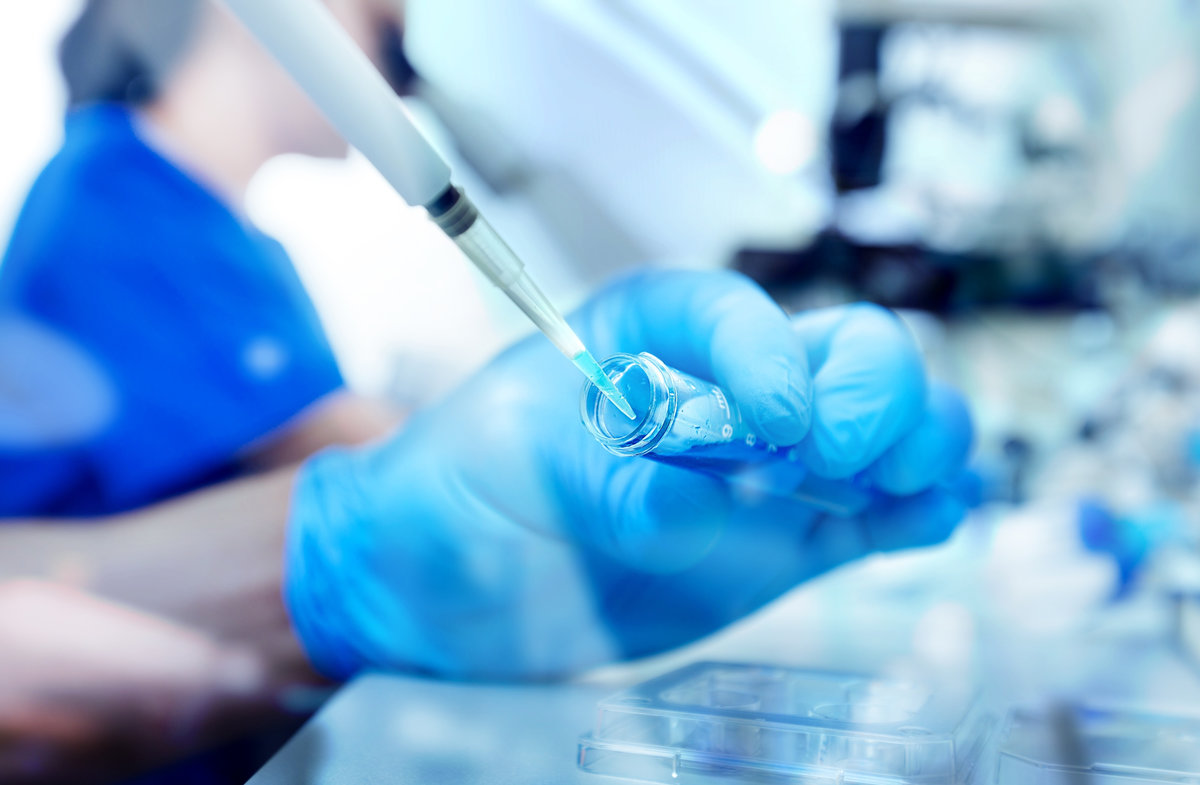
Egg freezing is a medical procedure that extracts, freezes, and stores a woman’s eggs so they can be thawed and fertilized later using in vitro fertilization, or IVF. As family planning has diversified, the underlying technology has kept pace. A few developments account for most of the recent progress in the field.
- Vitrification: This flash-freezing technique cools eggs so quickly that ice crystals never have the chance to form, which protects the delicate internal structure of the egg and improves survival rates after thawing compared with older slow-freeze methods.
- Improved cryoprotectants: Updated cryoprotectant formulas shield eggs from the stress of both the freezing and thawing process, helping preserve egg quality across the storage period.
- AI-assisted quality assessment: Embryology labs increasingly use image-analysis software to help evaluate egg and embryo quality, adding a consistent, data-driven layer to the selection process alongside embryologist judgment.
- In vitro maturation (IVM): Rather than a freezing method, IVM changes what happens before retrieval. Eggs are collected with little or no ovarian stimulation and matured in the laboratory, which removes the 10 to 12 days of daily injections that conventional stimulation protocols require.
Each of these developments addresses a different part of the process, from how eggs are collected to how they are protected in storage, and together they explain why egg freezing outcomes have improved so significantly in a relatively short period.
How Vitrification Improved Survival Rates
Before vitrification became standard, slow-freezing methods allowed ice crystals to form inside the egg, which could damage the delicate spindle structure needed for normal fertilization. Vitrification instead cools the egg at an extremely rapid rate, turning the cell’s internal fluid into a glass-like state without crystal formation. According to guidance from the American Society for Reproductive Medicine, this technique is now the standard approach in fertility centers because it consistently preserves egg viability better than slow freezing did.
The practical result for patients is a more predictable process. A higher proportion of eggs survive the thaw, which means fewer eggs need to be retrieved to reach a given number of viable eggs for future use, and fewer stimulation cycles are typically needed overall.
Where IVM Fits Into the Egg Freezing Conversation
Patients researching egg freezing often assume daily hormone injections are unavoidable. In vitro maturation offers a different starting point. Instead of stimulating the ovaries to produce many mature eggs at once, IVM retrieves immature eggs from small follicles and matures them outside the body over 24 to 48 hours in a specialized culture medium. Learn more about how our in vitro maturation program works and who tends to be a good candidate for it.
This approach can be especially relevant for patients who want to preserve fertility but are concerned about the injection burden, cost, or time commitment of a conventional stimulated cycle, or for those with a medical reason to avoid high estrogen levels during stimulation.
Factors to Consider Before Freezing Your Eggs
Technology aside, several personal factors affect whether egg freezing is likely to meet your goals and how many eggs you may want to retrieve.
- Age: Egg quantity and quality decline with age, so eggs frozen in the late twenties to early thirties generally have a higher chance of resulting in a future pregnancy than eggs frozen later. Freezing after your mid-thirties can still be worthwhile, though more retrieval cycles may be needed to bank a similar number of eggs.
- Number of eggs banked: Because not every frozen egg will survive thawing, fertilize, and develop into a transferable embryo, most fertility specialists recommend banking a meaningful number of eggs rather than just a handful, with the exact target depending on age and ovarian reserve.
- Overall health and lifestyle: A balanced diet, regular movement, adequate sleep, and avoiding tobacco can support egg quality, though lifestyle changes cannot fully offset the effect of age on the ovarian reserve.
A consultation that reviews your ovarian reserve testing, cycle history, and family-building timeline is the most reliable way to translate these general factors into a personalized recommendation.
What Happens After Your Eggs Are Frozen
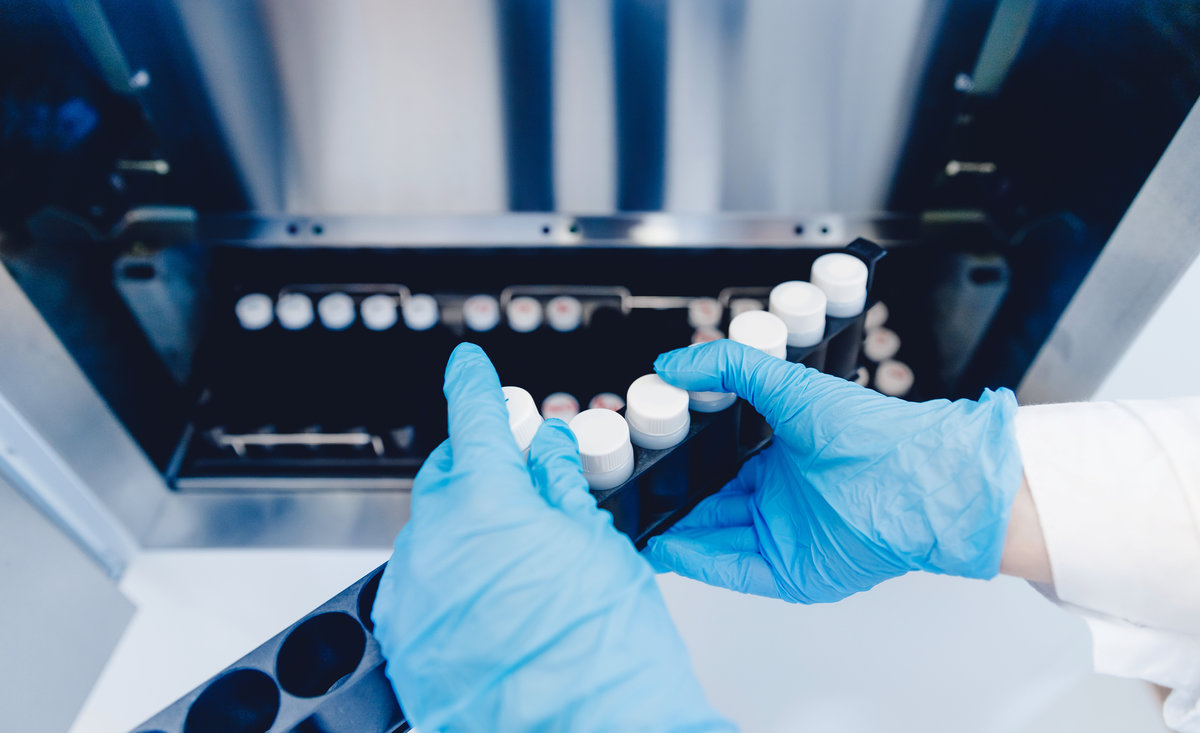
Once vitrified, eggs are stored in liquid nitrogen at a stable, ultra-low temperature, where they remain viable for extended periods with proper laboratory storage protocols. When a patient is ready to use her eggs, they are warmed, and the eggs that survive the process are fertilized using intracytoplasmic sperm injection, since the outer shell of the egg hardens slightly during freezing and typically requires this direct method. Any resulting embryos can then be graded and transferred as part of an IVF cycle.
Patients considering treatment abroad often ask how storage and transport are handled across borders. Our team coordinates this process closely with each patient so that timelines, documentation, and lab protocols are clear well before retrieval day.
Frequently Asked Questions About Egg Freezing Technology
What is the best age to freeze my eggs?
Most fertility specialists point to the late twenties through early thirties as the window when egg quantity and quality are typically highest, which tends to produce the best long-term outcomes per retrieval cycle. Freezing later in your thirties or beyond can still be a reasonable option, though more eggs or additional cycles are often needed to reach the same odds of a future live birth.
How does vitrification differ from older egg freezing methods?
Vitrification cools eggs so rapidly that the fluid inside the cell turns into a glass-like state instead of forming ice crystals. Older slow-freeze methods allowed crystal formation, which could damage the egg’s internal structure. Vitrification is now the standard technique across fertility centers because it more reliably preserves the egg through freezing and thawing.
Can I freeze my eggs without daily hormone injections?
In vitro maturation offers this option for eligible patients. Instead of stimulating the ovaries with 10 to 12 days of hormone injections, IVM retrieves immature eggs with little or no stimulation and matures them in the laboratory over 24 to 48 hours. Whether IVM is right for you depends on your ovarian reserve and treatment goals, which a fertility specialist can evaluate during a consultation.
How many eggs should I freeze?
The right number depends on your age and ovarian reserve, since not every frozen egg survives thawing, fertilizes, and develops into a transferable embryo. Younger patients with strong ovarian reserve may reach their goal with fewer eggs, while patients freezing later may need additional retrieval cycles to bank enough eggs for a reasonable chance at a future pregnancy.
How are frozen eggs fertilized when I am ready to use them?
Once thawed, eggs are typically fertilized using intracytoplasmic sperm injection, since the freezing process can slightly firm the outer shell of the egg. A single sperm is injected directly into each mature egg, and any resulting embryos are monitored and graded before a transfer is planned.
Egg freezing technology has advanced enough that the decision to preserve your fertility no longer has to mean choosing between comfort and effectiveness. With nearly 30 years of reproductive medicine experience and an FDA-licensed, NYDH-licensed laboratory, Chedid Grieco offers vitrification, improved cryoprotectants, AI-assisted quality assessment, and IVM within a single, personalized treatment plan built around your timeline and goals.
Consultations take place in Miami, Florida, while treatment is carried out at our laboratory in Brazil; you can read more about how that process works on our fertility tourism page. To find out which egg freezing approach fits your situation, reach out through our contact form.
About the Author
Founder, Chedid Grieco Reproductive Medicine Laboratory
Dr. Silvana Chedid trained in Human Reproduction and Gynecological Endoscopy at the Free University of Brussels before helping bring intracytoplasmic sperm injection to Brazil in 1992. She founded the Chedid Grieco Reproductive Medicine Laboratory in 2002 and is a member of the American and European Human Reproduction Societies.
Recent Posts