
What Is the Recovery Time After Egg Retrieval with IVM vs. Traditional IVF?
Recovery time matters when you’re planning fertility treatment, especially when you’re coordinating time off work, managing childcare, or simply wanting to know how soon you’ll feel like yourself again. The difference between in vitro maturation and traditional IVF recovery experiences can be substantial, largely because of how each approach affects your body during the stimulation phase. Understanding these differences helps you make informed decisions about which treatment path aligns best with your lifestyle and medical situation.
At Chedid Grieco, we’ve seen firsthand how IVM’s minimal stimulation approach translates into faster, more comfortable recoveries for our patients. While traditional IVF remains an excellent option for many people, the reduced medication burden of IVM offers distinct advantages when it comes to post-retrieval recovery. From physical symptoms to when you can return to normal activities, the differences between these two approaches deserve careful consideration as you plan your fertility journey.
Understanding Traditional IVF Recovery Timelines
Traditional IVF egg retrieval recovery typically takes anywhere from a few days to two weeks, depending on how your body responds to the stimulation medications. According to research from the American Society for Reproductive Medicine, most patients experience bloating, cramping, and fatigue for several days following retrieval, with symptoms gradually improving over the first week.
Factors That Influence Recovery Duration
The recovery timeline varies significantly based on individual factors. Patients who develop ovarian hyperstimulation syndrome face longer recovery periods, with mild cases resolving within seven to fourteen days and moderate cases potentially lasting up to two weeks or more. Your ovaries remain enlarged from the stimulation medications for several days after retrieval, which contributes to abdominal discomfort and bloating.
Activity Limitations Following Traditional IVF
Physical activity restrictions typically last about a week following traditional IVF egg retrieval. Most fertility specialists recommend avoiding strenuous exercise, heavy lifting, and sexual activity during this recovery period to prevent complications like ovarian torsion. Many patients can return to desk work within two to three days, though those with physically demanding jobs may need additional recovery time.
How IVM Changes the Recovery Experience
IVM egg retrieval recovery differs dramatically because the procedure eliminates the 10 to 12 days of intensive hormone stimulation. Without high doses of fertility medications coursing through your system, your ovaries don’t swell to the same extent as they do with traditional IVF. This fundamental difference means less bloating, reduced discomfort, and faster return to normal activities.
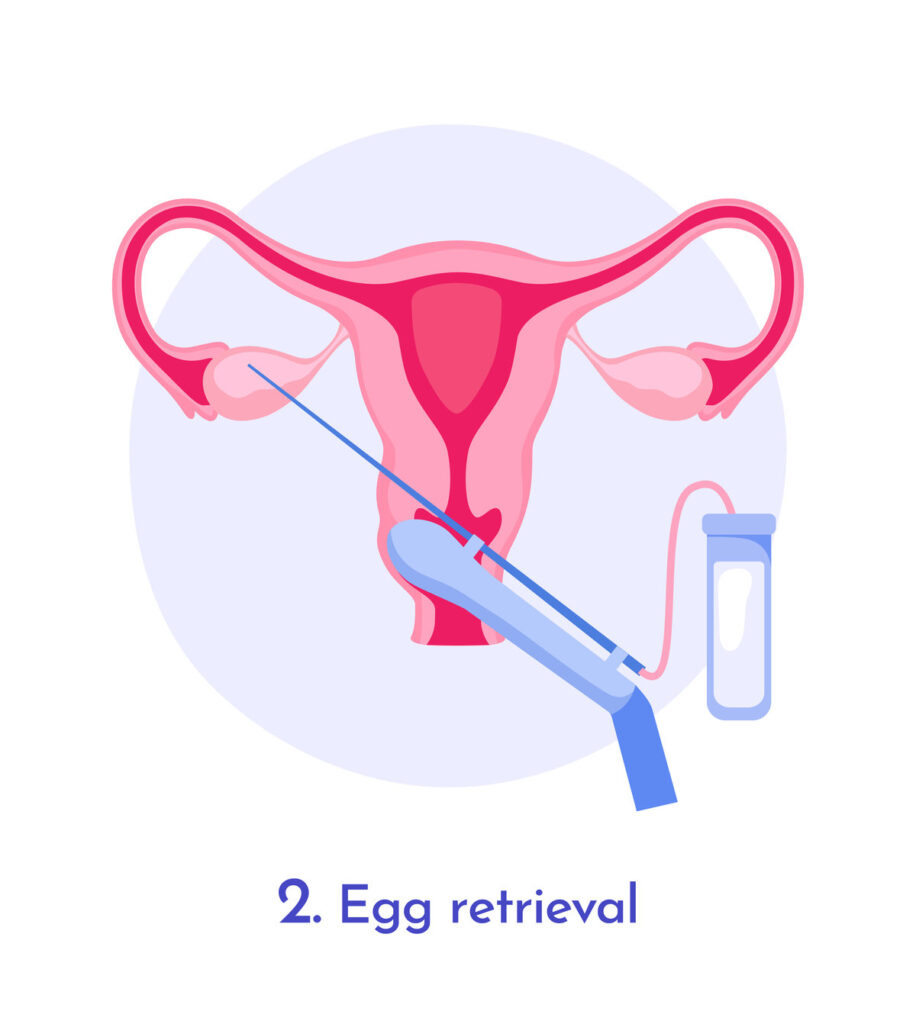
Most IVM patients report feeling back to normal within 24 to 48 hours after egg retrieval. The procedure itself remains the same as traditional IVF retrieval, using light sedation and ultrasound guidance to collect eggs. However, because your ovaries haven’t been maximally stimulated, they’re smaller and less prone to the complications that can extend recovery time.
The absence of ovarian hyperstimulation syndrome risk represents one of IVM’s most significant advantages. OHSS, which affects approximately 3 to 6 percent of traditional IVF patients, simply doesn’t occur with IVM because the condition requires extensive ovarian stimulation to develop. This elimination of OHSS risk means no risk of the severe bloating, rapid weight gain, or fluid accumulation that can require hospitalization in rare cases.
Comparing Physical Symptoms Between Both Approaches
Understanding the specific symptoms you might experience helps set realistic expectations for your recovery period. The differences between IVM and traditional IVF recovery become most apparent when looking at common post-retrieval symptoms:
- Bloating and abdominal distension lasting 3 to 7 days with traditional IVF versus 1 to 2 days with IVM
- Moderate to severe cramping for several days with traditional IVF versus mild cramping for 24 hours with IVM
- Significant fatigue requiring 2 to 3 days of reduced activity with traditional IVF versus minimal fatigue with IVM
- Nausea and digestive discomfort lasting up to a week with traditional IVF versus rare occurrence with IVM
- Ovarian tenderness persisting for 7 to 10 days with traditional IVF versus 1 to 3 days with IVM
These symptom comparisons reflect typical experiences, though individual variation exists with both approaches. The reduced symptom burden with IVM stems directly from the minimal medication exposure and smaller ovarian size at retrieval.
Activity Restrictions and Return to Normal Life
Traditional IVF patients typically face stricter activity limitations during recovery. Your fertility team will likely recommend avoiding exercise, heavy lifting over 10 pounds, and sexual activity for at least a week following retrieval. These restrictions protect against ovarian torsion, a rare but serious complication where enlarged ovaries twist and cut off their blood supply.
Resuming Physical Activity After IVM
IVM patients generally return to normal activities much faster. Light exercise like walking can often resume the next day, with more strenuous activities allowed within two to three days. The smaller ovarian size and absence of stimulation-related swelling mean less risk of complications from physical activity. Many IVM patients return to work the day after retrieval, particularly those with desk jobs.
Travel Considerations for International Patients
Travel plans also factor differently depending on which approach you choose. Traditional IVF patients traveling for fertility tourism need to plan for an extended stay to ensure proper recovery before flying home. IVM patients can typically travel within a day or two of retrieval, making international treatment more logistically manageable.
Managing Discomfort During Recovery
Pain management strategies differ between traditional IVF and IVM recoveries primarily because of symptom severity differences. Traditional IVF patients often require over-the-counter pain relievers like acetaminophen for several days following retrieval. Some patients benefit from heating pads for abdominal cramping, though ice packs work better for others.
IVM patients typically need minimal pain management. Most report that any discomfort responds well to rest and mild pain relievers, with symptoms resolving quickly enough that medication becomes unnecessary within 24 hours. The reduced need for pain management reflects the less invasive nature of the procedure when ovaries haven’t been extensively stimulated. Hydration plays an important role in both recoveries but becomes critical with traditional IVF, while IVM patients can follow normal hydration guidelines.
When Recovery Complications Arise
Traditional IVF carries a small but real risk of complications that can extend recovery time significantly. OHSS remains the most common serious complication, potentially requiring hospitalization for fluid management in severe cases. Ovarian torsion, though rare, requires emergency surgery and significantly prolongs recovery.
IVM complications occur less frequently because the procedure avoids the factors that create most traditional IVF risks. Without extensive stimulation, OHSS cannot develop. The smaller ovarian size reduces torsion risk substantially. Knowing when to contact your care team becomes essential regardless of which approach you choose, particularly if you experience severe abdominal pain, fever above 101 degrees, heavy vaginal bleeding, or difficulty breathing.
Begin Your Treatment With Chedid Grieco
Recovery time represents just one factor in choosing between IVM and traditional IVF, but it’s an important consideration that affects your daily life and treatment planning. With nearly 9,000 babies born through our advanced reproductive techniques and 30 years of specialized experience, Chedid Grieco offers both traditional IVF and cutting-edge IVM options tailored to your specific needs. Our FDA-licensed and NYDH-licensed facility maintains rigorous standards while providing personalized boutique care that prioritizes your comfort throughout treatment and recovery.
Consultations begin conveniently in Miami where we’ll discuss which approach best suits your medical situation and lifestyle, and treatments take place in our state-of-the-art São Paulo clinic offering exceptional care at a fraction of US costs. Our multilingual team supports you in English, Spanish, Portuguese, or French throughout your journey. Contact our office to schedule your consultation and learn more about how IVM’s faster recovery timeline might benefit your fertility treatment experience.