
How Does Age Affect Egg Quality and What Can You Do About It?

Age is the single most influential factor in egg quality. As women age, the number of available eggs decreases, and the remaining eggs are more likely to have chromosomal abnormalities. This natural decline begins in the early 30s and accelerates after age 35, affecting both natural conception and fertility treatment success rates.
Understanding how age impacts egg quality is essential when planning your family. This knowledge can guide you in making informed decisions about fertility options, such as those offered by Chedid Grieco, where personalized reproductive medicine services are available. With 30 years of experience and 8,780 babies born through our FDA- and NYDH-licensed practices, our multilingual specialists offer consultations in Miami and deliver advanced treatments at our cutting-edge laboratory in São Paulo, Brazil.
Unraveling the Mysteries of the Biological Clock
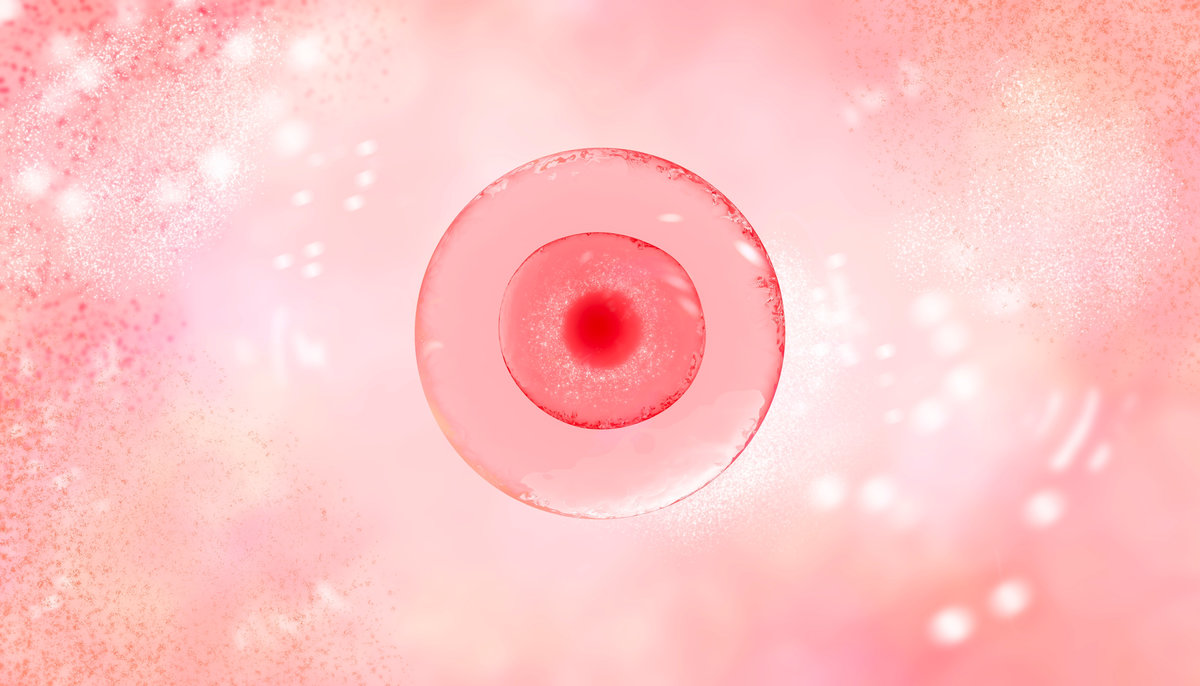
Women are born with a finite number of eggs. At birth, approximately one to two million eggs exist in the ovaries. By puberty, only about 300,000 remain. Each month, multiple eggs begin maturing, but typically only one is released during ovulation. This continuous depletion means that by age 37, only about 25,000 eggs remain.
The quality of these eggs deteriorates alongside their quantity. Eggs present in the ovaries for decades accumulate more DNA damage and face greater challenges during cell division. This increases the likelihood of chromosomal errors, which can lead to failed fertilization, early pregnancy loss, or chromosomal conditions.
Age and Fertility Treatment Success
Age affects every stage of assisted reproduction. Younger women typically respond better to ovarian stimulation medications, producing more eggs during cycles. The eggs retrieved from younger patients also have higher fertilization rates and better embryo development.
Success rates decline progressively with age. Women under 35 generally see the highest success rates with fertility treatments. Between ages 35 and 37, outcomes remain relatively favorable but begin to decline. After age 40, success rates drop more significantly due to both egg quantity and quality concerns.
While age is a significant determinant of egg quality, other factors also play a role. Lifestyle choices and other elements also substantially impact reproductive health. Consider the following factors:
- Smoking: accelerates egg loss and damages their DNA.
- Alcohol consumption: excessive drinking can impair fertility.
- Weight: obesity and being significantly underweight both interfere with hormone balance and egg development.
- Environmental exposures: certain chemicals and toxins can harm egg quality.
- Stress: chronic stress may impact hormonal regulation and reproductive function.
Some medical conditions, particularly those affecting the endocrine system, can accelerate egg aging. Autoimmune disorders may also influence egg quality through inflammatory processes.
Supporting Your Egg Quality
Although you cannot reverse biological aging, specific approaches may help support the eggs you have. Nutrition, which forms the foundation of reproductive health, includes a diet rich in antioxidants found in colorful fruits and vegetables that may help protect eggs from oxidative damage. Omega-3 fatty acids support cellular health. Adequate protein, whole grains, and healthy fats provide essential building blocks for hormone production.
Several supplements show promise in supporting egg quality, including Coenzyme Q10, which may improve mitochondrial function in eggs, and Vitamin D, whose deficiency has been linked to poorer fertility outcomes. Folate is crucial for DNA synthesis and cell division. However, always consult with your fertility doctor before starting any supplement regimen. Regular moderate exercise supports healthy weight maintenance and reduces inflammation. Adequate sleep allows the body to repair cellular damage and maintain hormonal balance. Stress management through meditation, yoga, or counseling may improve reproductive outcomes.
Alternative Paths to Parenthood
For women with significantly diminished ovarian reserve or severely compromised egg quality, egg donation offers an effective path to parenthood. Donor eggs from younger women provide higher success rates than using one’s own eggs at advanced maternal ages. This option allows intended parents to experience pregnancy and childbirth while benefiting from eggs with optimal quality. Preimplantation genetic diagnosis helps identify embryos with the correct number of chromosomes before transfer.
Take Control of Your Fertility Journey with Chedid Grieco
While age impacts egg quality, being informed empowers you to take proactive steps. Discover how Chedid Grieco can support your fertility goals with our expert care.
Whether you’re considering fertility preservation while your eggs are younger or exploring treatment options now, Chedid Grieco provides the advanced care you deserve. Our FDA- and NYDH-licensed clinic is one of only eight facilities outside the United States with a New York tissue license, ensuring the highest standards of care. With 8,780 babies born in 30 years, we deliver trusted results.
Our team offers convenient consultations in Miami to discuss your options, with treatments performed at our state-of-the-art laboratory in Brazil. This approach provides access to cutting-edge reproductive technology at more affordable rates without compromising quality. Learn more about how fertility tourism can support your family-building goals. Contact us today to schedule your consultation and take the first step toward parenthood.